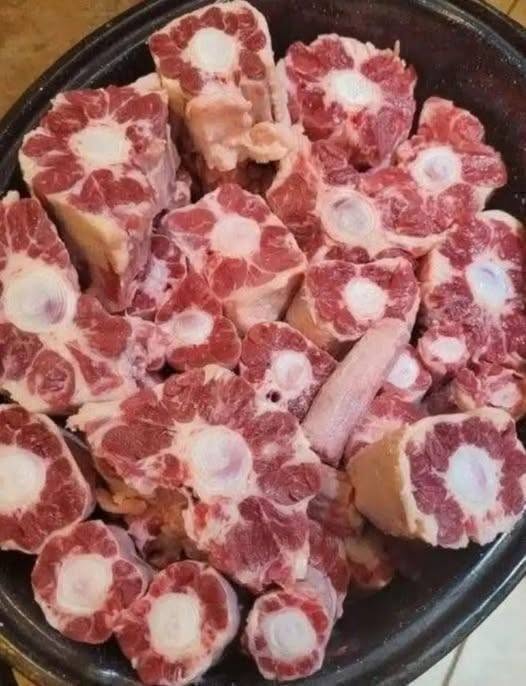
Slow-braised oxtail is a comforting, full-flavored beef dish made by cooking oxtail pieces slowly in a savory sauce with vegetables, garlic, herbs, tomatoes, red wine, and beef stock. The long cooking process transforms this naturally tough cut of beef into tender, succulent meat that separates easily from the bone. Meanwhile, the cooking liquid develops into a rich, deeply flavored sauce that pairs beautifully with creamy mashed potatoes, rice, or freshly baked bread.
This slow-braised oxtail recipe takes inspiration from the traditional South African approach to preparing oxtail. It focuses on browning the meat properly, building flavor with simple vegetables, and allowing everything to simmer gently until the meat becomes exceptionally tender. Although the preparation is straightforward, the finished dish tastes special enough for a family gathering, a weekend dinner, or a meal shared with guests.
Oxtail is especially well suited to slow cooking because it contains bones, connective tissue, and rich beef flavor. During several hours of gentle cooking, the connective tissue gradually softens, giving the sauce a satisfying body and helping the meat become tender. Red wine, tomatoes, aromatic herbs, and beef stock create a balanced braising liquid that complements the richness of the meat without overpowering it.
What Is Oxtail?
Oxtail is beef taken from the tail of a cow and cut into smaller sections, usually containing bone surrounded by meat and connective tissue. Although it was once considered an inexpensive cut, oxtail has become popular in many traditional cuisines because of its distinctive flavor and wonderfully tender texture when cooked correctly. Its combination of meat, bone, and collagen makes it particularly rewarding for soups, stews, and slow-braised dishes.
Unlike tender steaks that cook quickly over high heat, oxtail needs plenty of time to become soft. Cooking it too quickly can leave the meat chewy and the connective tissue firm. Gentle heat and sufficient liquid allow these tougher components to break down gradually, creating meat that becomes tender enough to pull apart with a fork. This process also enriches the cooking liquid, producing a naturally full-bodied sauce.
Oxtail is enjoyed in many parts of the world, with each region bringing its own ingredients and cooking traditions to the dish. South African versions often feature beef stock, vegetables, tomatoes, and herbs, while Jamaican oxtail commonly includes ingredients such as Scotch bonnet peppers, allspice, and butter beans. This recipe follows the slow-braised style, using red wine and vegetables to develop a deep, savory flavor.
Why You Will Love This Slow-Braised Oxtail Recipe
One of the best features of slow-braised oxtail is the contrast between the simple preparation and the rich final result. Most of the work happens at the beginning, when the meat is browned and the vegetables are softened. After the ingredients are combined, the dish cooks slowly with very little attention required. This makes it an excellent choice when you want a satisfying homemade meal without complicated cooking techniques.
Another reason to make this recipe is the sauce. Red wine adds depth, while tomatoes contribute gentle acidity that balances the richness of the beef. Carrots, celery, onion, garlic, and herbs build a savory foundation, and beef stock helps everything cook together. As the oxtail simmers, the liquid becomes more flavorful and develops a luxurious consistency that works wonderfully over mashed potatoes or rice.
This dish is also suitable for preparing ahead of time. Slow-braised oxtail often tastes even better after the flavors have had time to settle overnight in the refrigerator. When reheated gently, the meat remains tender and the sauce becomes an easy way to bring the entire meal together. Whether you are cooking for a quiet evening at home or serving a special dinner, this recipe offers comfort and plenty of flavor.
Ingredients for Slow-Braised Oxtail
The ingredients in this recipe serve different purposes, from building the savory base to keeping the meat moist during the long cooking process. You will need oxtail, extra-virgin olive oil, onion, celery, carrots, fresh garlic cloves, bay leaves, rosemary, fresh thyme, red wine, tomatoes, beef broth or stock, salt, and black pepper.
Oxtail
Oxtail is the main ingredient and provides the characteristic richness of the dish. Choose fresh pieces with a reasonable amount of meat around the bone. The sections can vary in size, so try to select pieces of similar thickness when possible. This helps them cook more evenly and makes it easier to judge when the entire pot is ready.
Olive Oil and Vegetables
Extra-virgin olive oil helps brown the oxtail and soften the vegetables. Onion contributes sweetness and savory depth, while carrots add a mild natural sweetness. Celery provides an aromatic flavor that supports the other ingredients without dominating the sauce. Together, these vegetables create a flavorful base that improves as the braising liquid cooks.
Fresh Garlic and Herbs
Fresh garlic adds a warm, savory aroma that complements the beef. Garlic powder can be used as an alternative, although fresh cloves provide a more pronounced flavor during slow cooking. Bay leaves, rosemary, and fresh thyme are suitable herbs for this type of braise because they release their aromas gradually and blend well with the wine, tomatoes, and stock.
Red Wine, Tomatoes, and Beef Stock
A full-bodied red wine, such as Cabernet Sauvignon, gives the sauce depth and a pleasant complexity. Other full-bodied red wines can also work well. Chopped canned tomatoes provide acidity and texture, while tomato passata or fresh chopped tomatoes can be used as alternatives. Beef broth or beef stock supplies the liquid needed for braising and reinforces the beef flavor throughout the dish.
Salt and black pepper complete the seasoning. Because stock can vary in saltiness, it is sensible to season carefully at first and make final adjustments after the sauce has reduced.
The Best Way to Serve Braised Oxtail
Creamy mashed potatoes are a classic accompaniment because their smooth texture pairs beautifully with the tender beef and savory sauce. Spoon the oxtail over the potatoes, then add plenty of the tomato and red wine gravy. The potatoes absorb the flavorful liquid, making each serving satisfying without requiring a complicated side dish. Rice is another excellent option, particularly when you want a simple meal that allows the sauce to remain the main attraction.
You can also serve slow-braised oxtail with steamed vegetables, roasted carrots, green beans, or crusty bread. Vegetables bring freshness and balance to the rich meat, while bread is useful for soaking up the remaining sauce. For a family-style meal, place the oxtail in a large serving dish and spoon the sauce over the top. Keep the meat warm until serving so it stays tender and enjoyable.
Because oxtail contains bones, remind diners to take care when eating. Serve pieces with enough space around them to make handling easier, and provide a spoon for the sauce. If you are serving guests, arrange the pieces neatly without trying to remove all the meat from the bones beforehand. The natural appearance of the tender oxtail is part of the appeal of this traditional braised dish.
Tips for Tender, Flavorful Oxtail
Brown the Meat in Batches
Avoid overcrowding the pot when browning oxtail. Too many pieces in the pan lower the surface temperature and encourage steaming instead of browning. Work in batches if necessary, allowing each piece enough room to develop a dark golden-brown surface. This extra step takes a little longer, but it builds a stronger foundation for the sauce and improves the finished dish.
Keep the Heat Low
Gentle cooking is more important than rushing the recipe. Maintain a quiet simmer rather than a rolling boil, and keep the pot covered for most of the braising time. High heat will not make the connective tissue soften instantly, so increasing the temperature is rarely a useful shortcut. Give the meat enough time to become tender, checking its texture rather than relying only on the clock.
Choose a Suitable Red Wine
A full-bodied red wine works well because it contributes flavor that can stand up to rich beef. Cabernet Sauvignon is one suitable option, but another dry, full-bodied red wine can also be used. You do not need an expensive bottle for cooking. Choose a wine with a flavor you find pleasant, as its character will become part of the sauce.
Allow Time for the Sauce to Develop
The sauce should taste balanced rather than strongly of one individual ingredient. If it seems thin, allow some liquid to reduce after the meat becomes tender. If it becomes too concentrated during cooking, add a little stock or water. Taste near the end and adjust the seasoning gradually. These small changes help create a sauce that complements the meat instead of overwhelming it.
Common Mistakes to Avoid
One common mistake is removing the oxtail from the heat before it becomes tender. Meat that is technically cooked can still be chewy if the connective tissue has not softened sufficiently. Another mistake is allowing the liquid to boil too vigorously, which can reduce the sauce too quickly and make it harder to maintain consistent cooking conditions. Keep the heat low and extend the cooking time whenever the meat needs more attention.
It is also easy to under-season the sauce or add too much salt before it reduces. Beef stock can contain a considerable amount of sodium, and the sauce becomes more concentrated as it cooks. Begin with moderate seasoning, then taste again at the end. Finally, do not skip browning simply because the recipe involves several hours of cooking. The initial color on the meat and the browned bits in the pot add valuable flavor that slow simmering alone cannot fully replace.
Frequently Asked Questions
Can I cook oxtail in the oven?
Yes, oxtail can be braised in the oven using an oven-safe Dutch oven or heavy covered pot. Brown the meat and prepare the sauce on the stovetop first, then cover the pot and transfer it to an oven preheated to approximately 160°C (320°F). Allow around three to four hours for cooking, checking periodically to ensure the liquid remains sufficient and the meat becomes fork-tender.
Why is my oxtail still tough after three hours?
Oxtail pieces vary in size and connective tissue content, so some require longer cooking than others. Three hours is a useful starting point, not a strict deadline. If the meat still feels resistant when tested with a fork, continue simmering and check every 20 to 30 minutes. The recipe is finished when the meat becomes tender and separates easily from the bone.
Can I make this recipe without red wine?
Red wine contributes depth and acidity to the sauce, but you can omit it if necessary. Replace it with additional beef stock and consider a small amount of suitable acidity, such as a little tomato-based liquid already used in the recipe, to help maintain balance. The flavor will be different from the original version, but the oxtail can still become tender and delicious.
Can I prepare braised oxtail a day ahead?
Yes. Slow-braised oxtail is an excellent make-ahead meal because refrigeration gives the flavors time to settle together. Cool and refrigerate it safely, then reheat it gently the following day. You may find a layer of solidified fat on top after chilling, which can be removed before reheating if desired. Add a little stock or water if the sauce needs thinning.
Is this the same as Jamaican oxtail?
Not exactly. Both dishes use oxtail and depend on slow cooking to create tender meat, but their seasonings and flavor profiles differ. Jamaican oxtail commonly features ingredients such as allspice, Scotch bonnet pepper, and butter beans. This version uses red wine, tomatoes, beef stock, and aromatic herbs for a rich braising sauce inspired by South African-style preparations.
Oxtail Slow-Braised Recipe
This Slow-Braised Oxtail recipe creates tender meat that nearly falls off the bone. Slowly cooked with vegetables, herbs, red wine, and beef stock, it develops a rich and flavorful gravy that is perfect with mashed potatoes, rice, or crusty bread.
6
servings30
minutes3
hours3
hours30
minutesIngredients
3 pounds oxtail pieces
2 teaspoons salt
1 teaspoon freshly ground black pepper
1 teaspoon paprika
½ teaspoon garlic powder
½ cup all-purpose flour
3 tablespoons vegetable oil
2 tablespoons butter
1 large onion, diced
2 medium carrots, diced
2 celery stalks, diced
6 garlic cloves, minced
2 tablespoons tomato paste
1 cup dry red wine
4 cups beef stock
2 tablespoons Worcestershire sauce
2 bay leaves
2 teaspoons fresh thyme leaves
1 teaspoon dried oregano
1 teaspoon brown sugar
1 tablespoon soy sauce
1 tablespoon fresh parsley, finely chopped
Additional salt and pepper to taste
Directions
- Let the oxtail sit at room temperature for 30 minutes. Pat dry and season with salt, pepper, paprika, and garlic powder.
- Coat lightly with flour and shake off excess.
- Heat oil and butter in a large pot. Brown the oxtail on all sides and transfer to a plate.
- Cook onion, carrots, and celery for about 8 minutes. Add garlic and cook for 1 minute.
- Stir in tomato paste and cook for 2 minutes.
- Pour in red wine and scrape the bottom of the pot. Simmer for 5 minutes.
- Add beef stock, Worcestershire sauce, soy sauce, brown sugar, thyme, oregano, and bay leaves.
- Return the oxtail to the pot and bring to a gentle simmer.
- Cover and cook in a 325°F (165°C) oven for 3½–4½ hours until very tender.
- Remove the oxtail and discard the bay leaves.
- Simmer the sauce uncovered for 10–15 minutes if a thicker gravy is desired.
- Adjust seasoning with salt and pepper.
- Return the oxtail to the sauce, spoon gravy over the meat, and garnish with parsley before serving.


