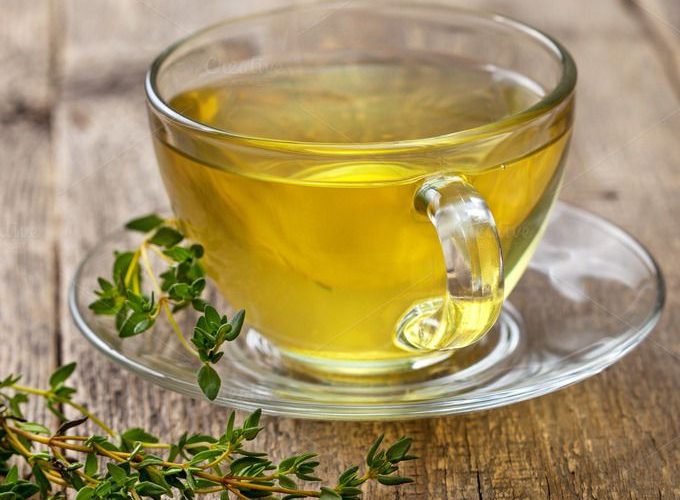
Thyme is a small, fragrant herb that has been used in cooking and traditional herbal practices for a very long time. It has a warm, earthy taste and a pleasant smell. Many people know thyme as a cooking herb, but it can also be used to make a simple herbal tea.
Thyme tea is easy to prepare at home and needs only a few basic ingredients. You need dried thyme or a few fresh thyme sprigs, hot water, and optional honey or lemon. The tea can be enjoyed warm and is naturally caffeine-free.
This simple drink is a nice choice when you want something warm and light. It can be especially pleasant during cool weather or when you simply want a different type of herbal drink.
It is important, however, to understand what thyme tea can and cannot do. Thyme contains natural plant compounds such as thymol and carvacrol, which have been studied for their antioxidant and antimicrobial properties. However, research on individual compounds or laboratory activity does not mean that drinking homemade thyme tea can cure a disease or infection.
For that reason, thyme tea is best enjoyed as a traditional herbal beverage rather than as a replacement for medical treatment.
What Is Thyme?
Thyme is an aromatic herb from the mint family. There are several types of thyme, but common thyme is one of the varieties often used for cooking.
The leaves are small and fragrant. When thyme is added to food or placed in hot water, it releases its natural aroma and gives the preparation a warm, slightly earthy flavor.
Thyme is widely used in many types of cooking. Fresh or dried thyme can be added to vegetables, potatoes, chicken, fish, soups, stews, beans, sauces, and roasted foods.
The same herb can also be used to make tea. When thyme is placed in hot water and allowed to steep, the water takes on some of the herb’s flavor and aroma.
What Makes Thyme Special?
One reason thyme has received scientific interest is its naturally occurring aromatic compounds. Two compounds commonly associated with thyme are thymol and carvacrol.
These compounds contribute to thyme’s characteristic smell and flavor. They have also been studied for different properties in laboratory and nutritional research.
It is useful to keep the difference between laboratory research and human health claims in mind. A compound showing activity in a laboratory does not automatically mean that drinking thyme tea will have the same effect in the human body.
This is especially important when reading strong health claims online. A simple cup of thyme tea can be enjoyed as part of a normal diet, but it should not be described as a cure for illness.
Why Do People Drink Thyme Tea?
People mainly drink thyme tea because they enjoy its warm taste and herbal aroma. Since it does not naturally contain caffeine, it can be a pleasant alternative to regular tea or coffee.
Some people also traditionally enjoy thyme preparations when they have mild throat discomfort or a cough. Thyme has a long history of traditional use in preparations associated with respiratory comfort.
However, traditional use and medical treatment are not the same thing. A warm drink may feel comforting, but this does not mean it can cure an infection or another medical condition.
If symptoms are serious, persistent, or getting worse, medical advice is more appropriate than relying on herbal tea alone.
How to Make Thyme Tea at Home
One of the best things about thyme tea is how simple it is to prepare.
You do not need complicated equipment or a long list of ingredients. The basic recipe uses just one teaspoon of dried thyme or a few fresh thyme sprigs and one cup of hot water. Honey and lemon are optional and can be added according to your taste.
Ingredients
- 1 teaspoon dried thyme, or a few fresh thyme sprigs
- 1 cup hot water
- A small amount of honey, if desired
- A little lemon, if desired
Easy Preparation Method
Start by placing the thyme into a cup or small teapot.
Pour the hot water directly over the thyme. Make sure the herb is covered by the water.
Cover the cup or teapot and allow the thyme to steep for about 5 to 10 minutes. Covering the tea helps keep the aroma inside while the herb infuses into the hot water.
After steeping, strain the tea if needed. If you used loose dried thyme, straining will make the drink smoother. If you used fresh sprigs, remove them before drinking.
You can then add a small amount of honey or a little lemon, depending on your preferred flavor.
Let the tea cool until it reaches a comfortable drinking temperature. Then enjoy it while warm.
There is no need to use a large quantity of thyme. A simple infusion is enough to give the drink its characteristic thyme flavor.
How Does Thyme Tea Taste?
Thyme tea has a distinct herbal flavor. It can taste earthy, warm, and slightly sharp because thyme has a naturally strong aroma.
If you prefer a softer taste, honey can add sweetness. A little lemon can provide a fresh citrus flavor that balances the herbal taste.
The amount of honey or lemon does not need to be large. Since both are optional, you can leave them out completely if you prefer the natural taste of thyme.
Because thyme has a noticeable flavor, using a small amount is generally enough for a simple cup of tea.
Thyme and Antioxidant Compounds
Plants contain many natural compounds that help protect them from environmental stress. Some of these compounds have antioxidant activity.
Thyme contains naturally occurring compounds, including thymol, carvacrol, and other phenolic substances. These compounds have been investigated in scientific studies because of their antioxidant properties.
Adding herbs such as thyme to meals can provide small amounts of naturally occurring plant compounds. However, no single herb can supply everything the body needs.
A healthy eating pattern should include a variety of foods. Vegetables, fruits, whole grains, legumes, nuts, seeds, and suitable sources of protein are all important parts of a balanced diet.
Thyme tea can be one small part of this type of lifestyle. It should not be viewed as a substitute for nutritious food or proper medical care.
Thyme and Antimicrobial Research
Thyme has also attracted attention because of compounds such as thymol and carvacrol.
Some laboratory studies have found antimicrobial activity associated with certain compounds found in thyme. This is one reason thyme and thyme-based substances have been studied in food preservation and other areas.
However, laboratory findings should not be confused with proof that drinking thyme tea can remove an infection from the human body.
Bacterial, viral, fungal, and urinary infections can require proper medical evaluation and treatment. The correct treatment depends on the specific condition and its cause.
A cup of thyme tea can be enjoyed alongside normal care, but it should not replace prescribed treatment.
Can Thyme Tea Remove Parasites?
Strong claims about thyme tea and parasites are sometimes shared online. Some posts suggest that thyme can destroy all parasites or treat parasitic infections.
There is not enough clinical evidence to support describing homemade thyme tea as a treatment for parasitic infections.
Some individual compounds from thyme have been investigated in laboratory research involving microorganisms and other organisms. These findings may be useful for scientific research, but they do not prove that a homemade thyme drink can treat a parasite infection in a person.
Parasitic infections require proper diagnosis. If treatment is needed, the correct medicine depends on the type of parasite involved.
For this reason, thyme tea should be enjoyed as a traditional herbal drink, not as a parasite treatment.
Thyme Tea and Respiratory Comfort
Thyme has a long history of traditional use in preparations associated with the respiratory system. Its warm flavor and pleasant herbal aroma can make it a comforting drink when someone has mild throat discomfort.
Some thyme preparations have also been studied in connection with cough symptoms. However, this does not mean that ordinary thyme tea can cure a respiratory infection.
A persistent cough should not simply be treated with herbal tea at home. Difficulty breathing, chest pain, high fever, or symptoms that continue or become worse should be assessed by a healthcare professional.
For everyday hydration, a warm herbal drink can still be enjoyable. Drinking enough fluids and getting adequate rest are also important when you are not feeling your best.
Thyme and Digestion
Herbs have traditionally been used after meals and in different herbal preparations associated with digestion.
Thyme can be used in cooking or prepared as a mild tea. Some people enjoy its warm and aromatic taste after eating.
Still, ongoing digestive problems should not automatically be treated with herbs.
Repeated abdominal pain, continued vomiting, blood in the stool, unexplained weight changes, or long-lasting digestive symptoms should receive proper medical attention.
A herbal drink can be part of a normal routine, but persistent symptoms deserve a closer look.
Other Ways to Use Thyme
Thyme does not have to be used only for tea. It is also a useful everyday cooking herb.
Fresh thyme can be added to roasted vegetables, potatoes, chicken, fish, soups, beans, sauces, and other savory dishes.
Dried thyme is especially convenient because it can be stored for a long time. A small amount can add a noticeable aroma and flavor to food.
Using herbs in cooking can also help add flavor without depending heavily on salt or rich sauces.
Since thyme has a fairly strong aroma, you usually do not need a large amount. Even a small quantity can make a difference in a dish.
How to Store Thyme
Fresh thyme should be stored in the refrigerator and used while it is still fresh.
If you grow thyme yourself, you can also dry the leaves for later use. Dried thyme should be kept in a sealed container in a cool, dry place. Keep it away from direct sunlight and moisture.
Proper storage helps protect the herb’s flavor and aroma.
Over time, dried herbs can lose their freshness. One simple way to check dried thyme is to rub a small amount between your fingers and smell it. If there is very little aroma, the herb may have lost some of its freshness.
Important Things to Remember
Natural ingredients are not automatically suitable for every person or every situation.
There is also an important difference between using thyme as a culinary herb and using concentrated thyme products. Essential oils and concentrated extracts are much stronger than the small amount of thyme used to make ordinary tea.
Thyme essential oil should not simply be added to a drink as though it were ordinary dried or fresh thyme.
People who are pregnant, breastfeeding, taking medication, or managing a medical condition should talk with a qualified healthcare professional before regularly using concentrated herbal products.
For a simple homemade tea, the recipe intentionally uses only a small amount of thyme.
Be Careful With Strong Online Health Claims
Herbal recipes are often shared online with very strong health promises. You may see claims that a particular herb can remove infections, destroy parasites, cure arthritis, or replace medical treatment.
These claims can make a simple drink appear to be a universal remedy.
In reality, different health conditions have different causes and require different approaches. Arthritis, for example, can refer to several different conditions, and treatment depends on the diagnosis.
Likewise, a urinary infection may need medical treatment, while viral illnesses should not automatically be assumed to respond to a particular herb.
It is better to enjoy thyme for its flavor, aroma, culinary uses, and traditional role rather than expecting it to cure illness.
Enjoying Thyme Tea in a Simple Way
A cup of thyme tea can easily become part of a simple daily routine. Its warm aroma makes it a comforting caffeine-free drink.
The recipe does not need many ingredients. Thyme and hot water are enough to make the basic infusion. If you want extra flavor, you can add a little honey or lemon.
The tea is best enjoyed for what it is: a simple herbal beverage.
Instead of expecting one drink to cleanse the body or cure a health condition, focus on the larger picture of healthy living. Drinking enough fluids, eating nutritious foods, sleeping well, staying physically active, and receiving medical care when needed are much more important foundations for overall health.
Final Result
Thyme is a versatile herb with a long history in cooking and traditional herbal use. Its small leaves have a strong aroma and contain naturally occurring plant compounds that have been studied for antioxidant and antimicrobial properties.
Making thyme tea at home is very easy. Simply use one teaspoon of dried thyme or a few fresh thyme sprigs with one cup of hot water. Allow the herb to steep for about 5 to 10 minutes, then strain it if needed. A little honey or lemon can be added according to taste.
The simplicity of this drink is one of its biggest advantages. It can be prepared in only a few minutes and enjoyed warm.
At the same time, it is important to avoid exaggerated health claims. There is not enough evidence to describe ordinary thyme tea as a cure for infections, parasites, cancer, or other diseases.
Used sensibly, thyme is best appreciated as a flavorful culinary herb and a traditional herbal beverage. Its warm taste, pleasant aroma, and easy preparation make it a simple drink to enjoy as part of a varied and balanced lifestyle.
Tips & Tricks
- Use dried thyme or a few fresh thyme sprigs according to the recipe.
- Do not use a large amount of thyme. A simple infusion provides enough flavor.
- Cover the cup while the tea steeps for 5 to 10 minutes.
- Strain the tea if loose thyme leaves remain in the drink.
- Add a little honey if you prefer a sweeter flavor.
- Add a small amount of lemon for a fresh citrus taste.
- Allow the tea to cool to a comfortable drinking temperature before drinking.
- Store dried thyme in a sealed container in a cool, dry place.
- Do not treat thyme tea as a replacement for medical treatment.
- Do not add thyme essential oil to the drink unless specifically advised by a qualified healthcare professional.
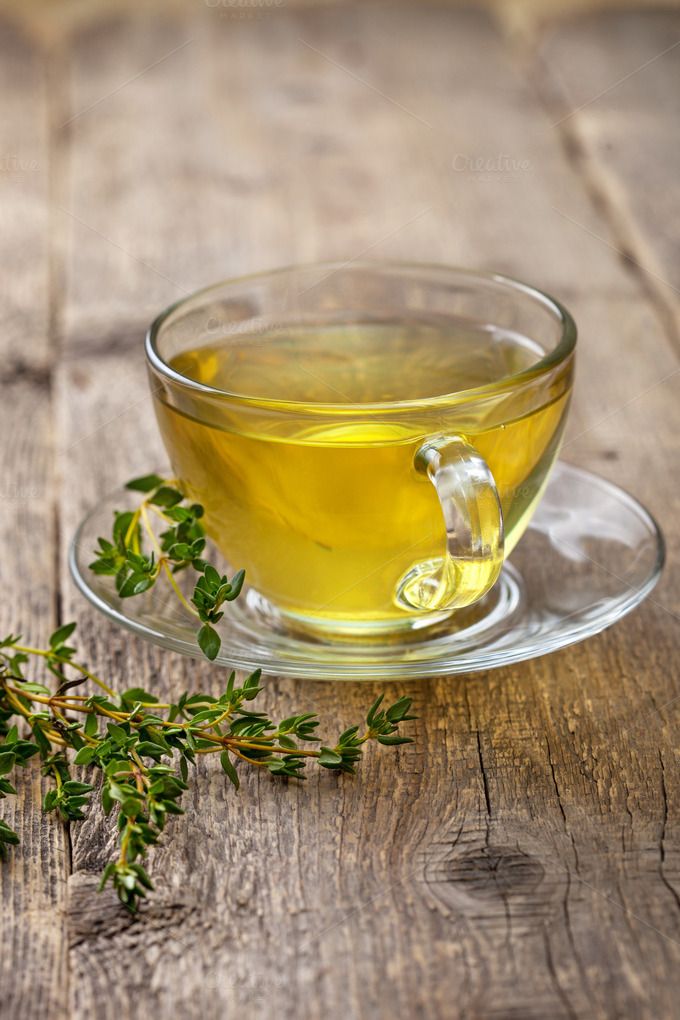
Thyme Tea – A Simple and Comforting Herbal Drink
A simple homemade herbal tea made with dried thyme or fresh thyme sprigs and hot water. Honey and lemon can be added for extra flavor. This warm, caffeine-free drink has a pleasant herbal aroma and earthy taste.
10
minutesIngredients
1 teaspoon dried thyme, or a few fresh thyme sprigs
1 cup hot water
A small amount of honey, if desired
A little lemon, if desired
Directions
- Place the thyme in a cup or small teapot.
- Pour the hot water over the thyme.
- Cover the cup and let the thyme steep for about 5 to 10 minutes.
- Strain the tea if needed.
- Let the tea cool to a comfortable drinking temperature.
- Enjoy the thyme tea warm.
- 1 teaspoon dried thyme, or a few fresh thyme sprigs
Notes
- A small amount of thyme is enough for this tea.
- Use fresh or dried thyme as listed in the recipe.
- Honey and lemon are optional.
- Keep dried thyme in a sealed container in a cool, dry place.
- Enjoy thyme tea as a traditional herbal beverage, not as a treatment for illness.


