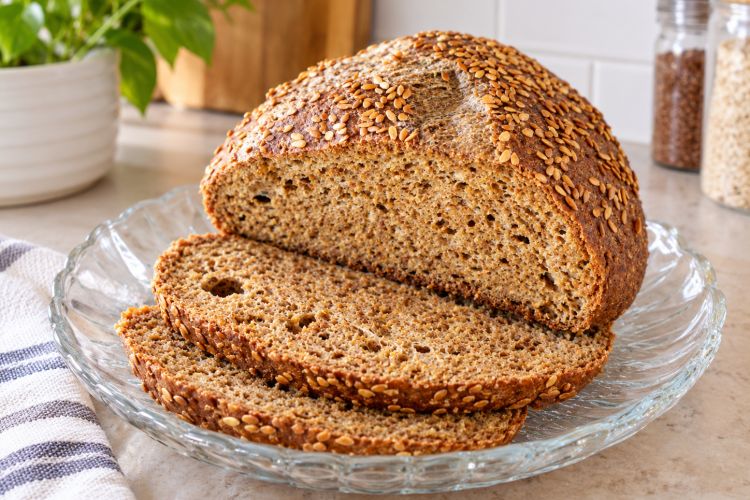
Finding bread that fits a ketogenic lifestyle can be challenging because many traditional bread recipes contain wheat flour and substantial amounts of carbohydrates. Commercial low-carb breads can also include several ingredients, preservatives, or sweeteners that some home cooks prefer to avoid. This homemade version offers a straightforward alternative built around flaxseeds and a small number of supporting ingredients.
Flaxseeds are particularly useful in low-carb cooking because they contain dietary fiber, plant-based fats, and some protein. Their natural composition helps create a more substantial bread than recipes made with starch-heavy alternatives. Psyllium husk adds another source of fiber and helps produce a dough that can hold together without gluten. Together, these ingredients make it possible to prepare a loaf with a satisfying texture without relying on ordinary flour.
Another benefit is the flexibility of the finished bread. You can toast a slice until the edges become crisp, use it as the base for a savory sandwich, or serve it alongside eggs, soups, and salads. Its mild, earthy taste works especially well with avocado, hummus, sliced vegetables, and other savory toppings. Since the loaf does not contain added sugar in the supplied ingredient list, it can fit naturally into many low-carbohydrate meal plans.
The Main Ingredients and Their Purpose
1. Whole Golden Flaxseeds
Whole golden flaxseeds, also known as golden linseeds, are the main ingredient in this recipe. Grinding the seeds into a fine powder creates the flour-like base that gives the bread its characteristic flavor and structure. Golden flaxseeds generally have a milder taste than brown flaxseeds, making them a useful choice when you want a less pronounced earthy flavor in homemade bread.
For the best texture, grind the whole seeds shortly before preparing the dough. A clean, dry spice grinder or high-speed blender can help produce a fine consistency. Avoid leaving large pieces of seed in the mixture because they may create a coarse texture in the finished loaf. The supplied recipe also advises against using ready-made flaxseed meal, as some products are partially defatted and may behave differently when mixed with water.
Flaxseeds contain fiber and alpha-linolenic acid, a plant-based omega-3 fatty acid. They also contribute protein and naturally occurring fats. These nutrients make flaxseeds a useful ingredient in a balanced diet, although the precise nutritional contribution depends on the amount used in each serving.
2. Psyllium Husk Powder
Psyllium husk powder plays an essential role in this gluten-free flax bread. Traditional wheat dough develops elasticity through gluten, but this recipe does not contain wheat flour. Psyllium absorbs water and forms a gel-like structure, helping the ingredients stick together and making the dough easier to shape.
This binding action is especially important because ground flaxseeds alone may not produce a loaf with the desired consistency. Psyllium helps retain moisture and supports the bread’s structure as it bakes. It also contributes dietary fiber, which can help support regular bowel movements when consumed with adequate fluids.
Use psyllium husk powder as specified by the recipe rather than substituting a different product without checking the quantity. Whole psyllium husks and finely powdered psyllium can absorb water differently, so the dough may not behave the same way if you exchange them directly. If you have not used psyllium in baking before, remember that the dough should be cohesive and shapeable rather than runny.
3. Baking Powder
Baking powder supplies the lift needed to make this yeast-free bread less dense. When exposed to moisture and heat, it releases gas that helps the dough expand during baking. This is particularly useful in recipes that do not contain gluten, since there is no traditional gluten network to trap gas in the same way as wheat bread.
Check that your baking powder is fresh and stored properly. An old product may lose some of its lifting ability, resulting in a loaf that is heavier than expected. If you need a grain-free version, choose a baking powder whose ingredients meet your dietary requirements. Some commercial baking powders contain starches, so check the label if strict grain avoidance is important to you.
4. Salt
A small amount of salt improves the overall flavor of the bread and balances the naturally earthy taste of flaxseeds. Without salt, the finished loaf may taste flat, even when its texture is successful. Measure it carefully so that it complements the other ingredients rather than overpowering them.
5. Hot Water
Hot water brings the dry ingredients together and helps the psyllium absorb moisture. It also makes the mixture easier to handle when forming the loaf. Add the water according to the recipe’s quantities, mixing thoroughly so that no dry pockets remain.
Allow the mixture a short time to absorb the liquid if needed. The finished dough should hold together when shaped. If you add too much water at once, the dough may become difficult to form, while insufficient water can leave it crumbly. Following the recipe measurements is the simplest way to achieve a consistent result.
Tips for the Best Keto Bread Texture
The quality of the ground flaxseeds can make a noticeable difference to the finished loaf. Freshly ground golden flaxseeds generally provide a pleasant nutty aroma, while poorly stored seeds may develop an unpleasant smell. Store whole seeds in a cool, dry place and protect them from excessive heat and moisture. Ground flaxseeds contain natural oils, so refrigerating or freezing them can help preserve their freshness.
Accurate measurements are equally important when working with psyllium husk powder. This ingredient absorbs a considerable amount of water, and small differences in quantity can affect how easily the dough comes together. Use the same type of psyllium product consistently rather than changing between whole husks and finely powdered versions. If the dough feels slightly different from what you expect, allow the fiber a little time to absorb the water before deciding that more liquid is needed.
Cooling is another detail that should not be overlooked. A loaf may look firm on the outside while its center remains moist immediately after baking. Letting it cool completely allows the internal structure to become more stable and makes slicing easier. If you prefer a crispier texture, toast individual slices shortly before serving instead of trying to dry out the entire loaf.
Ways to Serve Flaxseed Bread
Keto flaxseed bread works well with a variety of savory toppings. For breakfast, toast a slice and serve it with avocado, sliced tomato, or a suitable plant-based spread. You can also use it as the base for an open sandwich with cucumber, lettuce, and your favorite protein. The bread’s nutty taste pairs especially well with ingredients that have fresh, bright flavors.
For lunch, use two slices to prepare a simple sandwich with vegetables, eggs, or another filling that matches your dietary preferences. Because the bread is denser than many wheat-based loaves, thinner slices may be easier to handle when building a sandwich. Toasting can also improve its structure and give the outside a pleasant crunch without requiring additional ingredients.
At dinner, serve toasted slices alongside vegetable soup, roasted vegetables, or a fresh salad. The bread can also be cut into small pieces for a snack with a suitable dip. If you follow a strict ketogenic diet, pay attention to the carbohydrate content of toppings and accompanying dishes, as the complete meal’s nutritional values will depend on everything served with the bread.
Is Keto Flaxseed Bread Suitable for Different Diets?
This recipe is designed to avoid several common bread ingredients, including wheat flour, yeast, dairy, eggs, and added oil. As written, the supplied ingredients are plant-based, making the bread suitable for vegan and dairy-free eating patterns. It is also naturally flourless in the conventional grain-flour sense because the base is made by grinding whole flaxseeds rather than using wheat flour.
The recipe can suit people following a ketogenic or other low-carbohydrate eating plan, but the actual carbohydrate content depends on the ingredient quantities and serving size. The description supplied for this recipe claims approximately 0.6 grams of net carbohydrates per slice. That figure should be checked against the complete ingredient measurements and nutritional calculation before being published as a verified value.
For gluten-free cooking, check the labels on the psyllium husk powder and baking powder to confirm that they meet your requirements. Although the main ingredients do not inherently require wheat or gluten, manufacturing and packaging practices can introduce cross-contact risks. People with celiac disease or significant food sensitivities should choose appropriately certified products.
The bread may also be suitable for grain-free eating if all ingredients, including the baking powder, meet the particular diet’s standards. However, suitability for a specific diet does not automatically make a food appropriate for every medical condition. Anyone managing a medical dietary restriction should consider their individual nutritional needs.
Nutrition Benefits of Flaxseed Bread
Flaxseeds provide several nutrients that can contribute to a balanced eating pattern. Their fiber supports digestive health, while their plant-based fats include alpha-linolenic acid, an essential omega-3 fatty acid. Flaxseeds also provide some protein, making them useful in recipes designed to deliver more nutritional value than bread made primarily from refined starches.
Dietary fiber can increase fullness and support regular bowel movements, although individual responses vary with overall diet, fluid intake, and health conditions. Psyllium is another fiber-rich ingredient that contributes to the bread’s structure. When increasing fiber intake, it is sensible to do so gradually and drink enough fluids, particularly if your usual diet contains relatively little fiber.
It is important not to treat flaxseed bread as a guaranteed method for lowering cholesterol or controlling blood sugar. Flaxseeds can be part of a heart-conscious eating pattern, but the effects of any food depend on the complete diet and individual circumstances. Similarly, the term low glycemic should not be taken as a guarantee that a particular serving will never affect blood glucose. If you monitor blood sugar, use your own clinical guidance and consider the actual ingredients and portion size.
Frequently Asked Questions
Can I use ready-made flaxseed meal instead of whole seeds?
The supplied recipe recommends grinding whole golden flaxseeds rather than using ready-made flaxseed meal. Some commercial flaxseed meals are partially defatted, which changes their fat content and baking behavior. For the most predictable texture, use whole golden seeds and grind them finely immediately before preparing the dough.
Does this bread contain yeast?
No. Baking powder provides the lift in this recipe, so yeast and proofing are unnecessary. This means you can prepare the dough without waiting for it to rise. You should still follow the recommended baking and cooling instructions to ensure the loaf develops a stable interior.
Why is psyllium husk powder important?
Psyllium absorbs water and helps bind the ground flaxseeds into a workable dough. Without an effective binder, the mixture may be crumbly and difficult to shape. It also contributes fiber and helps the loaf retain its structure after baking.
Is this recipe completely gluten-free?
The listed ingredients do not require wheat flour, but anyone who must strictly avoid gluten should verify that each product is certified or labeled appropriately. Manufacturing cross-contact can occur even with ingredients that are naturally gluten-free.
How can I make the slices crispier?
Allow the loaf to cool completely before slicing, then toast the individual pieces until they reach your preferred level of crispness. This approach helps the bread maintain its shape while giving the outside a firmer texture.
Can I eat flaxseed bread every day?
It may fit into a balanced low-carb diet, depending on your nutritional needs and portion size. Since flaxseed and psyllium provide substantial fiber, start with a comfortable serving and drink enough fluids. People with specific digestive conditions or medical dietary restrictions should follow individualized advice from a qualified health professional.
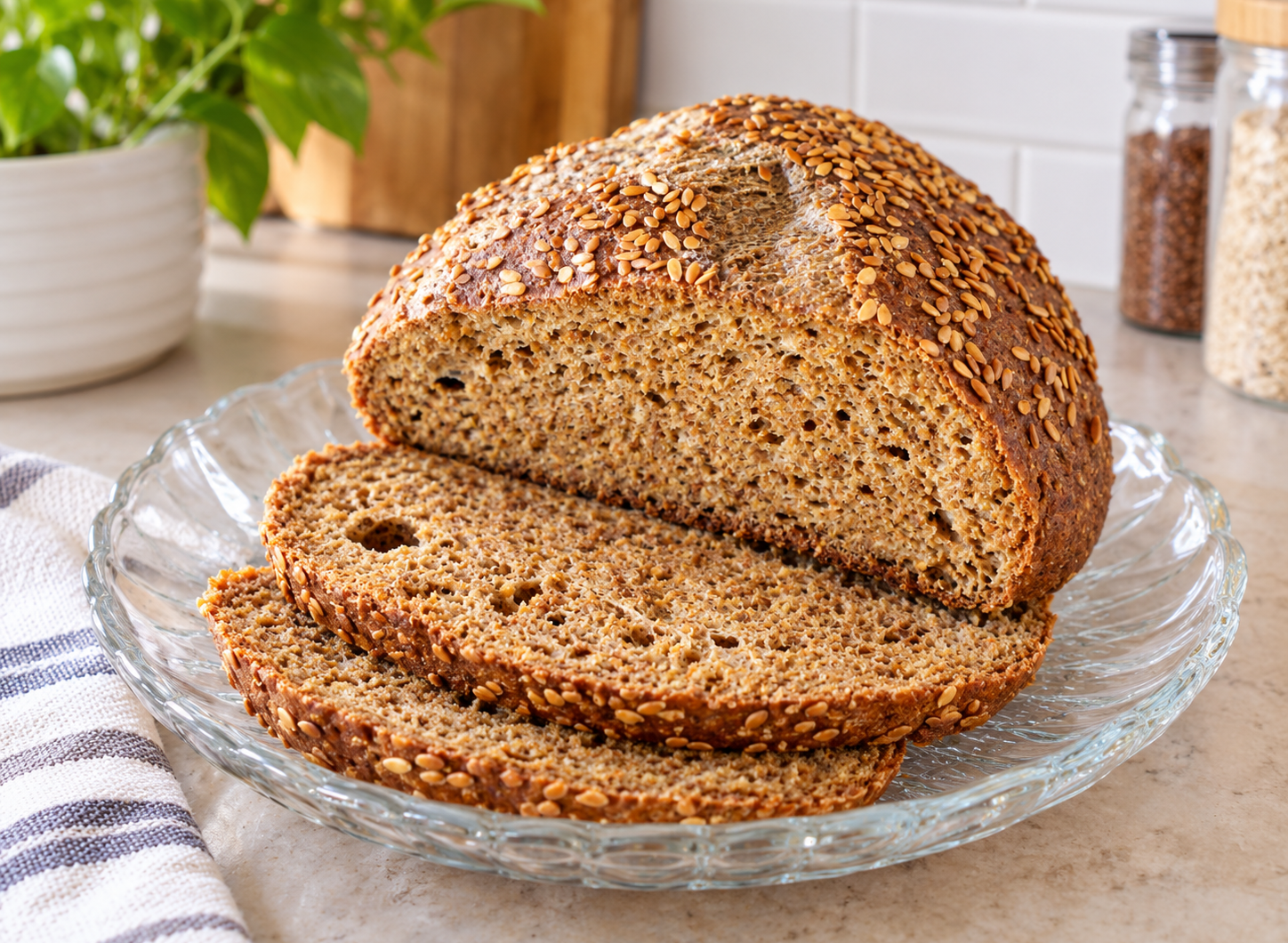
Keto Flaxseed Seed Bread
A simple homemade keto flaxseed bread made with whole golden flaxseeds, psyllium husk powder, baking powder, salt, and hot water.
11
servings10
minutes50
minutes128
kcal1
hourIngredients
1 ½ cups (240 g) whole golden flaxseed (see notes)
4 Tbsp (40 g) psyllium husk powder
2 tsp baking powder
½ tsp salt
1 ⅓ cups (320 ml) hot water
Directions
- Preheat the oven to 356°F/180°C. Use a convection oven or an oven with a fan if available. Line a baking sheet with parchment paper or a silicone baking mat.
- Place the whole golden flaxseeds into an electric spice grinder, coffee grinder, or small blender. Grind them until they become a fine, flour-like meal.
- Transfer the freshly ground flaxseed to a medium-large mixing bowl. If using ground flaxseed, measure 240 g rather than measuring the volume after grinding.
- Add the psyllium husk powder, baking powder, and salt. Stir the dry ingredients thoroughly until evenly combined.
- Pour the hot water into the bowl. Mix with a spoon until the ingredients form a thick dough.
- Once the dough is cool enough to handle, briefly knead it with your hands for up to approximately 30 seconds.
- Transfer the dough to the prepared baking sheet and shape it into a round disk.
- Lightly wet the top of the dough and sprinkle with extra whole flaxseeds if desired.
- Bake for approximately 50 minutes, or until the bread has expanded significantly and developed a golden-brown crust. Baking time may vary depending on the oven.
- Remove the bread from the oven and transfer it to a wire rack. Allow it to cool completely before slicing.
Notes
- For the best texture, grind whole golden flaxseeds into a fine meal immediately before making the bread.
- Avoid substituting store-bought pre-ground flaxseed meal because some products may be partially defatted and can behave differently in the recipe.
- If you need to avoid corn or other grains, choose a suitable grain-free baking powder.
- Whole psyllium husk should be ground into powder before measuring if psyllium husk powder is not available.
- The dough can be shaped into smaller rolls or baguette-style portions. Adjust the baking time according to the size of the pieces.
- A convection oven or oven with a fan can produce a lighter result; the bread may be denser when baked without circulating air.
- For additional flavor, suitable fresh or dried herbs, spices, sun-dried tomatoes, minced jalapeños, or olives can be added.
Nutrition Facts
- Total number of serves: 1
- Calories: 128kcal
- Fat: 9g
- Carbohydrates: 0.57g
- Fiber: 0.2g
- Sugar: 0.3g
- Protein: 4g


