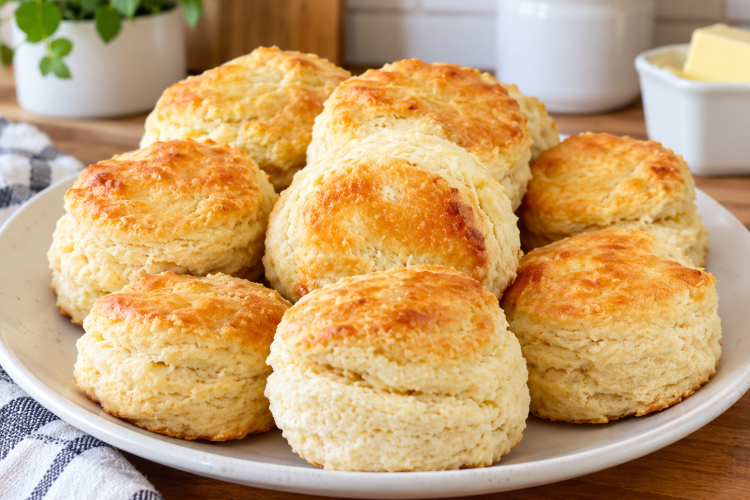
Homemade gluten-free biscuits are a wonderful addition to almost any meal. They have a lightly crisp, golden exterior, a soft center, and a rich buttery flavor that makes them enjoyable straight from the oven. Whether you serve them with breakfast, add them to a dinner spread, or enjoy one as an afternoon snack, these biscuits offer the comforting taste and texture of traditional homemade biscuits without the gluten.
One of the best things about this gluten-free biscuit recipe is its simplicity. With just five basic ingredients, you can prepare a batch without complicated baking techniques or special equipment. The dough comes together quickly, making this recipe a useful choice when you need fresh bread for a meal but do not have much time. From mixing to baking, the process takes less than 30 minutes when your ingredients and oven are ready.
Gluten-free baking can sometimes produce disappointing results, especially when biscuits turn out dry, dense, or crumbly. This recipe focuses on a tender texture and a satisfying buttery finish. Using cold butter, a suitable gluten-free flour blend, and a gentle mixing method helps create biscuits that rise well and remain soft inside. Serve them warm with butter, honey, jam, or your favorite savory toppings for a simple homemade treat.
Why You’ll Love This Gluten-Free Biscuit Recipe
These easy gluten-free biscuits are ideal for anyone who enjoys homemade baked goods but wants a straightforward recipe. You do not need advanced baking skills or a long list of ingredients to get started. The method is easy to follow, and the short preparation time makes it practical for busy mornings, family dinners, weekend brunches, and casual gatherings.
Another reason to try these biscuits is their versatility. Their mild, buttery taste works with both sweet and savory foods. You can enjoy them with fruit preserves at breakfast, serve them beside a bowl of soup at lunch, or use them as a side dish for roasted vegetables, chicken, and other dinner favorites. Their soft centers also make them suitable for small sandwiches filled with eggs, cheese, or other preferred ingredients.
Here are some of the main reasons to keep this recipe handy:
- Five simple ingredients: A short ingredient list makes preparation convenient.
- Quick preparation: The biscuits are ready in less than 30 minutes when prepared as directed.
- Tender centers: The inside is soft rather than hard or overly dry.
- Golden edges: The outside develops an appealing baked finish.
- Beginner-friendly method: Straightforward mixing and shaping make the recipe approachable.
- Flexible serving options: These biscuits pair well with breakfast foods, soups, stews, and snacks.
- Freezer-friendly: Properly stored biscuits can be frozen for convenient future meals.
- Milk flexibility: Dairy or plant-based milk may work, depending on the original recipe’s specified ingredients and their baking performance.
What Makes These Homemade Biscuits So Good?
Cold Butter Creates a Better Texture
Cold butter is an important ingredient when making tender homemade biscuits. As the biscuits bake, small pieces of butter melt and release moisture, helping create a lighter texture. Keeping the butter cold before mixing gives the dough a better chance of developing the delicate, flaky quality associated with traditional biscuits.
For the best results, take the butter out of the refrigerator only when you are ready to prepare the dough. If your kitchen is warm, work efficiently so the butter does not soften too much before the biscuits go into the oven. Avoid melting the butter unless the original recipe specifically instructs you to do so, because melted butter can change the texture and structure of the finished biscuits.
Gluten-Free Flour Needs Gentle Handling
Gluten-free flour behaves differently from regular wheat flour because it does not contain the gluten network that gives traditional dough its elasticity. Different gluten-free flour blends also absorb liquid differently, so the texture of the dough can vary depending on the product you use. A blend designed for baking is generally a practical choice when the recipe calls for gluten-free flour.
Gentle mixing is particularly useful for this recipe. Stir the ingredients until the dough comes together rather than continuing to mix for longer than necessary. The goal is to combine everything evenly without making the dough difficult to handle. Following the recipe’s measurements carefully is also important because adding too much flour can leave the biscuits dry, while too much liquid can make shaping difficult.
Baking Powder Helps the Biscuits Rise
A good rise is one of the features that makes homemade biscuits appealing. Baking powder helps produce a lighter interior by releasing gas during baking. When combined with an appropriate flour blend and the right amount of liquid, it helps the biscuits expand and develop a softer crumb.
For consistent results, check that your baking powder is fresh and measure it accurately. An old or ineffective leavening ingredient may result in biscuits that remain flat or dense. Once the dough is prepared, avoid unnecessary delays before baking, and make sure your oven has reached the required temperature before placing the biscuits inside.
Ingredients for Homemade Gluten-Free Biscuits
The appeal of this recipe lies in its short ingredient list. Five basic ingredients can produce biscuits that are flavorful enough to serve on their own while remaining versatile enough to accompany different meals. Each ingredient contributes to the final texture, taste, or rise, so accurate measuring is more useful than making unnecessary changes to the recipe.
Gluten-free flour provides the main structure, while cold butter contributes richness and tenderness. Milk adds moisture and helps bring the dough together. Baking powder supports the rise, and salt balances the flavor. The exact quantities should be followed from the original recipe card so that the biscuits maintain the intended proportions and baking characteristics.
Choosing the Right Gluten-Free Flour
The flour blend you choose can make a noticeable difference in the finished biscuits. Some blends contain rice flour, tapioca starch, potato starch, or other gluten-free ingredients that help reproduce the texture of conventional baked goods. However, not every blend performs in the same way, so using a suitable all-purpose gluten-free baking blend is a sensible starting point when it matches the original ingredient specification.
Avoid replacing the flour with a single alternative, such as almond flour or coconut flour, without a tested adjustment to the recipe. These ingredients absorb moisture differently and do not behave like every all-purpose gluten-free blend. If you need the recipe to remain consistent, use the same type of flour specified in the original ingredient list.
Why Butter Matters
Butter gives biscuits their familiar rich flavor and helps produce a tender crumb. Cold butter is especially useful for recipes that aim for a flaky result because it can create small pockets within the dough as it melts during baking. Cutting the butter into small pieces can make it easier to distribute evenly, provided the original method supports that preparation.
If you need a dairy-free version, check whether the original recipe allows a suitable plant-based alternative. Plant-based butter products vary in their water content and firmness, so the results may differ. A dairy-free substitution should not be assumed to produce exactly the same flavor or texture as conventional butter.
Milk and Salt Bring Everything Together
Milk supplies the moisture needed to combine the dry ingredients and form a workable dough. Depending on the recipe, dairy milk or an unsweetened plant-based alternative may be appropriate. If using plant-based milk, choose an option with a mild flavor so that it does not overpower the biscuits’ buttery taste.
Salt may seem like a small addition, but it helps balance the flavor and keeps the finished biscuits from tasting flat. Measure it according to the recipe rather than adding extra automatically. When working with a short ingredient list, maintaining the balance between the ingredients is particularly important for a consistent result.
Helpful Tips for Soft and Fluffy Gluten-Free Biscuits
Measure the Ingredients Carefully
Accurate measurements are one of the simplest ways to improve gluten-free baking. Too much flour may create a dry, heavy biscuit, while excess liquid can make the dough sticky and difficult to shape. Follow the original quantities, and use a kitchen scale when reliable weight measurements are available. Consistency is especially important when using a flour blend you have not baked with before.
Keep the Butter Cold
Cold butter is essential to the intended texture of these biscuits. Prepare the dry ingredients before removing the butter from the refrigerator, and work efficiently once you begin mixing. If the butter becomes very soft before the biscuits are shaped, the dough may lose some of its ability to create a light, flaky result during baking.
Avoid Overmixing
Mix only until the ingredients are combined. Unlike traditional wheat dough, gluten-free dough does not develop the same gluten structure, but excessive handling can still affect its consistency and the way it bakes. Gentle mixing also makes the process quicker and easier, especially for beginners who are still learning how gluten-free ingredients behave.
Use a Fully Preheated Oven
An adequately heated oven helps the biscuits begin baking consistently from the moment they go inside. Allow the oven to finish preheating before loading the tray. If you regularly have trouble with flat or unevenly baked biscuits, checking your oven temperature with an oven thermometer may help identify temperature differences.
What to Serve with Gluten-Free Biscuits
These homemade biscuits can be served with sweet or savory foods, making them useful throughout the day. At breakfast, pair them with scrambled eggs, fresh fruit, yogurt, or a little jam. For brunch, they work well with omelets and other simple egg dishes. Their buttery flavor also makes them enjoyable with honey or a spread of your choice.
For lunch and dinner, serve the biscuits with vegetable soup, chicken soup, hearty stews, or roasted vegetables. They can also be split and used for small sandwiches filled with eggs, cheese, or cooked meat. If you are serving guests who follow different diets, keep spreads and fillings separate so everyone can choose suitable additions.
Frequently Asked Questions About Gluten-Free Biscuits
Are Gluten-Free Biscuits Soft and Fluffy?
Yes, gluten-free biscuits can be soft and fluffy when the ingredient proportions and baking method are suitable. The flour blend, freshness of the baking powder, temperature of the butter, and amount of mixing all influence the result. Following the recipe carefully helps produce a tender center and a golden outside without making the biscuits excessively dry or dense.
Can I Make These Biscuits Dairy-Free?
A dairy-free version may be possible if the original recipe permits substitutions. You would need to check whether a plant-based butter alternative and suitable plant-based milk can replace the dairy ingredients. Because these products vary in fat and moisture content, the biscuits may have a slightly different flavor or texture. For the most reliable result, use a tested dairy-free variation.
Why Did My Gluten-Free Biscuits Turn Out Dry?
Dry biscuits can result from too much flour, insufficient liquid, overbaking, or a flour blend that absorbs more moisture than expected. Measuring accurately and following the recommended baking time can help prevent this problem. Make sure to check the biscuits near the end of the suggested baking period, especially if your oven tends to run hot.
Why Didn’t My Biscuits Rise?
Biscuits may stay flat if the baking powder is old, the oven is not fully preheated, or the dough is handled in a way that affects its structure. Incorrect ingredient measurements can also interfere with rising. Check that your leavening ingredient is fresh, use the specified quantities, and bake the shaped biscuits in an adequately heated oven.
Can I Prepare the Dough Ahead of Time?
For the best results, follow the original recipe’s directions about resting or preparing the dough in advance. Gluten-free flour blends vary in how quickly they absorb liquid, so storing mixed dough may change its consistency. If you need to save time, measuring the dry ingredients ahead of time is a practical alternative that does not alter the dough’s texture before baking.
Are These Biscuits Suitable for People with Celiac Disease?
They may be suitable if all ingredients are gluten-free and the biscuits are prepared without cross-contact with gluten-containing foods. Check the flour blend, baking powder, and other packaged ingredients for appropriate gluten-free labeling. Use clean utensils, work surfaces, and baking equipment, particularly if wheat flour is regularly used in your kitchen.
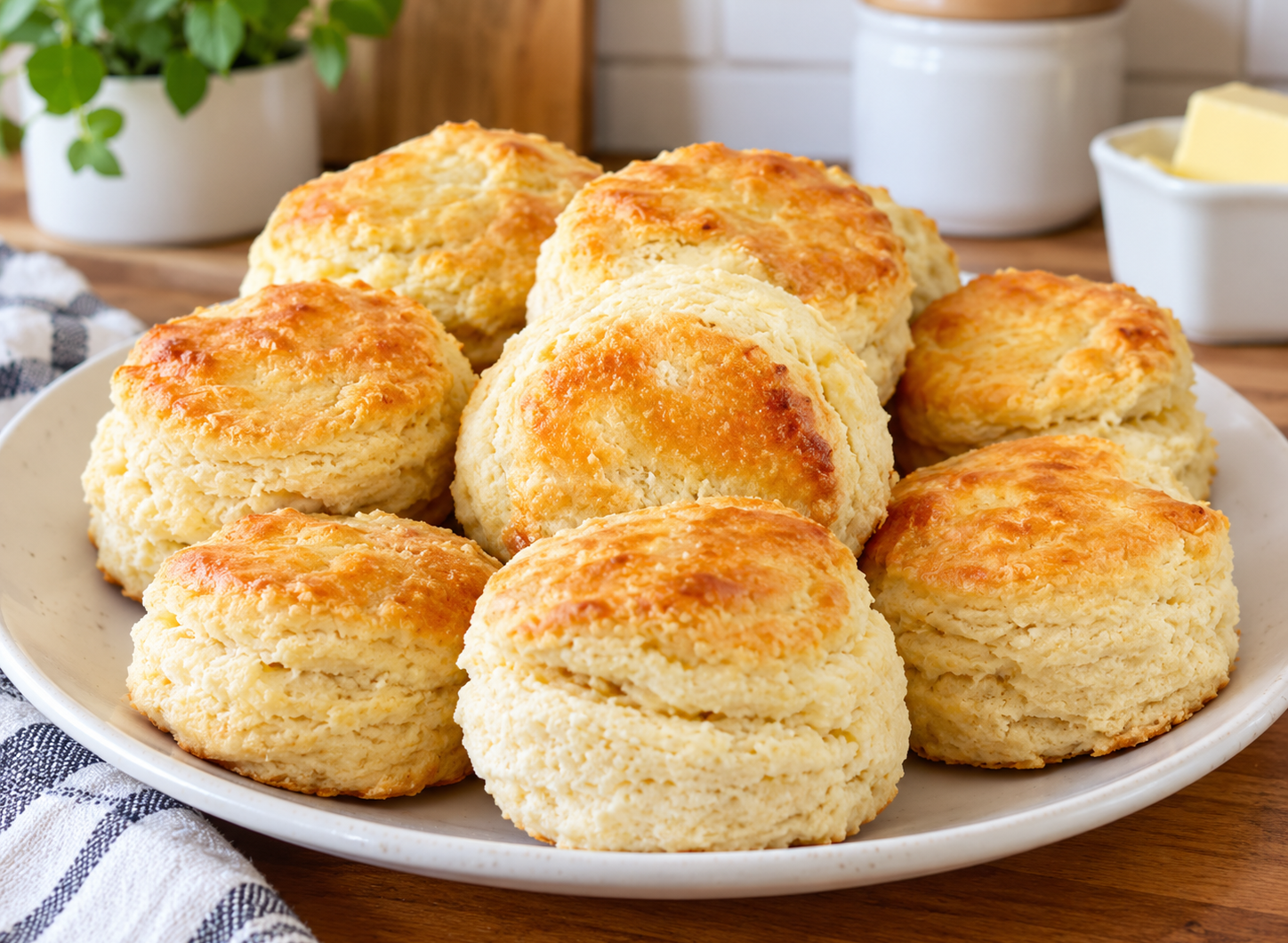
Homemade Gluten Free Biscuits
These homemade Gluten Free Biscuits are soft, tall, fluffy, and full of buttery flavor. Made with only five simple ingredients, they are ready in less than 30 minutes and are perfect for breakfast, lunch, dinner, or as a snack. Enjoy them warm with butter, turn them into breakfast sandwiches, or serve them alongside soups, stews, and your favorite family meals. They have a golden, slightly crisp outside with a light and tender inside that everyone will love.
6
servings10
minutes14
minutes241
kcal24
minutesIngredients
2 cups gluten free baking flour blend (Cup 4 Cup is highly recommended)
1 tablespoon aluminum-free baking powder
1 teaspoon salt
6 tablespoons butter
1 cup milk, plus a little extra for brushing the tops
Directions
- Preheat your oven to 425°F (220°C). Line a baking sheet with parchment paper and set it aside.
- Cut the butter into ½-inch cubes and place it in the freezer for about 20 minutes so it becomes very cold.
- If using a food processor: Add the gluten free flour blend, baking powder, and salt to the processor. Pulse a few times to mix. Add the cold butter cubes and pulse until the mixture looks like coarse crumbs. Transfer the mixture to a large mixing bowl.
- Slowly pour the milk into the flour mixture while stirring with a fork. Mix just until a rough dough forms. You may not need the full cup of milk, depending on the gluten free flour blend you are using.
- Lightly dust your work surface with gluten free flour. Place the dough on the surface and gently press it together until it becomes smooth enough to work with.
- Press the dough until it is about ¾ inch thick.
- Use a 3-inch biscuit cutter to cut out the biscuits. Gather the leftover dough, gently press it together again, and cut more biscuits until all the dough is used. You should have about 6–7 biscuits.
- Place the biscuits on the prepared baking sheet.
- Brush the tops lightly with extra milk.
- Bake for 12–14 minutes, turning the baking pan halfway through baking, until the biscuits are tall and golden brown.
- Let the biscuits cool for a few minutes before serving. Enjoy them warm with butter, jam, honey, or your favorite meal.
- 2 cups gluten free baking flour blend (Cup 4 Cup is highly recommended)
Notes
- For the best texture and rise, use Cup 4 Cup Gluten Free Multipurpose Flour. If using another gluten free flour blend, make sure it contains a binder such as xanthan gum.
- Measure the flour using the spoon-and-level method. Spoon the flour into the measuring cup and level it with the back of a knife instead of scooping directly from the bag.
- Always use aluminum-free baking powder to avoid a metallic taste.
- Keep the butter very cold before mixing it into the flour. Cold butter creates light, flaky biscuits.
Nutrition Facts
- Total number of serves: 6
- Calories: 241kcal
- Fat: 13g
- Saturated Fat: 7g
- Trans Fat: 0.5g
- Polyunsaturated Fat: 1g
- Monounsaturated Fat: 3g
- Cholesterol: 30mg
- Sodium: 690mg
- Potassium: 4mg
- Carbohydrates: 30g
- Fiber: 4g
- Sugar: 1g
- Protein: 4g
- Vitamin A: 350mcg
- Calcium: 280mg
- Iron: 1mg


