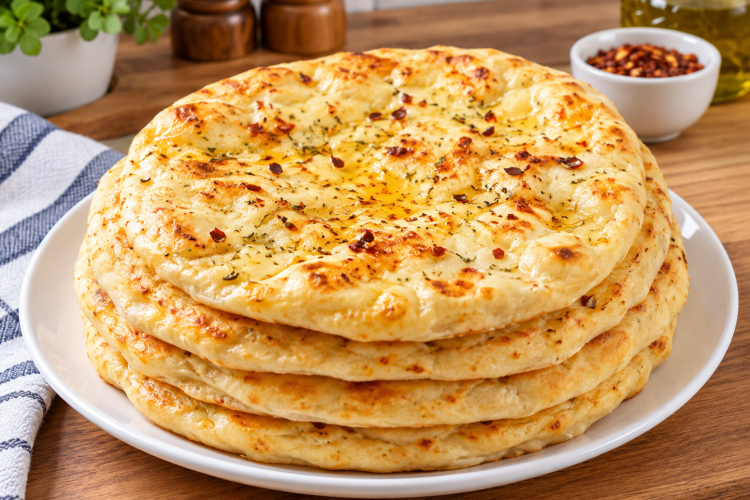
Air fryer Turkish bread is a convenient way to enjoy warm, homemade bread with a soft interior and a lightly golden crust. Known as Turkish pide in many variations, this popular style of bread is enjoyed with breakfast, lunch, dinner, and snacks. Preparing bread in an air fryer can be especially useful when you want a freshly baked result without heating a full-sized oven. With the right temperature and cooking time, you can make bread that is tender inside, lightly crisp outside, and ready to serve with your favorite foods.
Homemade Turkish bread is loved for its simple appearance and versatility. Its soft texture makes it easy to tear, slice, or use for dipping, while its mild flavor pairs well with savory and creamy ingredients. Whether you serve it alongside a bowl of soup, prepare a platter of cheese and olives, or enjoy it with grilled meat, this bread fits comfortably into many meals. Making it in an air fryer also offers a practical option for smaller households, quick lunches, and occasions when you only need a small amount of fresh bread.
Why Make Turkish Bread in an Air Fryer?
One of the main advantages of air fryer Turkish bread is the shorter cooking time compared with many conventional oven methods. An air fryer heats a compact cooking space and circulates hot air around the food, helping the surface develop an attractive golden color. Depending on the appliance and the size of the bread, it may cook in approximately eight to ten minutes at 180°C. This makes it a useful choice when you want fresh bread without waiting for a large oven to heat up.
Another benefit is the convenience of preparing smaller portions. Traditional oven baking can be less practical when you are making only one or two pieces of bread, particularly during warm weather. An air fryer can handle smaller batches with less preparation, although the available basket space will determine the size and quantity you can cook. It is still important to monitor the bread because different air fryer models distribute heat differently, and some cook more quickly than others.
The texture is another reason to try this method. When the bread is cooked correctly, the outside becomes lightly golden while the center remains soft enough to tear apart easily. A thin coating of olive oil can help the surface brown, while an egg wash mixed with water can create a shinier finish when the recipe and dough style call for it. These finishes are optional variations, so choose the one that best suits the bread you are preparing.
What Makes Turkish Bread Special?
Turkish bread covers several traditional bread styles, including pide, which can be round or oval and may have a soft, slightly chewy texture. Some versions are flat and simple, while others are thicker, decorated with characteristic patterns, or topped with sesame and nigella seeds. The exact appearance depends on the regional style and recipe. For a homemade air fryer version, the most important qualities are a pleasant bread flavor, a tender center, and a surface that is cooked without becoming excessively hard.
This bread is especially appealing because it does not overpower the other foods on the table. Its mild flavor complements salty feta cheese, fresh vegetables, seasoned meat, yogurt-based dips, and aromatic sauces. It can also be used to collect the juices from stews or to accompany lentil soup. Because the bread is easy to share, it works well for family meals, casual gatherings, and simple snack platters.
Freshness makes a noticeable difference. Bread served shortly after cooking usually has a softer center and a more appealing aroma than bread that has been stored for several days. Allowing it to rest briefly after cooking helps the interior settle while the surface remains pleasantly warm. If you enjoy homemade bread but do not want to prepare a large batch, the air fryer method provides a practical way to make a smaller quantity when needed.
Ingredients and Their Purpose
The exact ingredients depend on the dough recipe you are following. A typical Turkish bread dough may include flour, yeast, water, salt, and sometimes sugar or oil. Flour provides the structure, while water hydrates it and helps create the dough. Yeast produces gas during fermentation, helping the dough rise and develop its characteristic texture. Salt improves flavor, and a small amount of oil can contribute to softness and make the dough easier to handle.
If your original recipe includes a surface coating, olive oil can help the crust develop a golden appearance. An egg wash made with egg and water can provide a glossy finish, although it is not necessary for every style of Turkish bread. Sesame seeds or nigella seeds may also appear in some versions, but they should only be included if they are part of your chosen recipe. Keeping the original ingredient quantities unchanged is important for achieving the intended result.
The quality and condition of your ingredients can affect the final bread. Yeast should be within its recommended shelf life, and the water should be at a suitable temperature for the yeast type being used. Very hot water can damage yeast, while excessively cold water may slow fermentation. Measuring flour accurately is also helpful because adding too much can produce a dense dough that is difficult to stretch and may bake into a dry loaf.
Preparing the Bread Before Air Frying
Preparing the dough correctly is essential for soft Turkish bread. If your recipe uses yeast, follow its instructions for mixing, kneading, and resting the dough. Kneading helps develop the gluten structure that gives bread its elasticity. Depending on the flour and hydration level, the dough may feel slightly tacky, but it should generally be manageable. Avoid adding large amounts of extra flour simply to make it feel completely dry, because this can affect the softness of the finished bread.
Allow the dough to rise for the period specified in your recipe. During this stage, yeast produces gas that helps the dough become lighter and more expanded. The rising time depends on room temperature, yeast activity, and the dough formulation. A cooler kitchen may require a longer rest, while a warmer environment can speed up fermentation. Look for the signs described in your recipe rather than relying only on the clock.
Once the dough is ready, shape it to fit your air fryer basket. A small oval or round piece is often easier to cook evenly than one large, thick loaf. Try to maintain a reasonably even thickness so the outer edges do not become overcooked before the center is done. If the bread needs a traditional pattern, gently press the surface with your fingertips according to the recipe instructions, taking care not to flatten the dough excessively.
How to Cook Turkish Bread in an Air Fryer
For a typical small air fryer bread, 180°C is a useful starting temperature. Preheat the appliance if your model or recipe recommends it, then arrange the prepared dough in the basket. Leave enough space for hot air to circulate, and avoid placing the dough so close to the heating element that the surface may brown too quickly. If your air fryer basket tends to stick, use a suitable liner designed for air frying, following the manufacturer’s instructions and ensuring that the liner is secured by the food.
Cook the bread for approximately eight to ten minutes as a starting point, checking it before the end of the cooking period. The precise time depends on the thickness of the dough, the size of the bread, and the performance of your air fryer. A thinner piece may finish sooner, while a thicker piece may require additional cooking. If the top is browning too quickly, reduce the temperature slightly and allow more time for the center to cook through.
The bread should look cooked and lightly golden when ready. Check the center carefully, particularly when working with a thick piece of dough, because a browned exterior does not always mean the inside is fully baked. If necessary, continue cooking in short intervals and inspect the bread between each interval. Avoid relying entirely on appearance; the internal texture should not be raw or doughy. When the bread is done, remove it carefully and let it rest briefly before cutting or serving.
Temperature and Timing for the Best Results
Temperature control makes a significant difference when baking bread in a compact appliance. At 180°C, the bread can develop a golden surface while allowing time for the center to cook. At a higher temperature, the outside may brown too rapidly, particularly if the bread is thick. A lower temperature can be useful for certain air fryers or larger pieces, but it may extend the cooking time. These differences explain why a recipe’s recommended settings should be treated as a starting point rather than a universal rule.
For your first batch, check the bread a little earlier than the suggested finishing time. Note how quickly the top colors and whether the base is cooking evenly. If your appliance has a powerful heating element, you may need a lower temperature or a shorter cooking period. If the bread remains pale after the initial cooking time, continue in short increments rather than immediately increasing the temperature by a large amount.
Avoid overcrowding the basket. When pieces touch or cover too much of the cooking surface, airflow may become restricted, which can lead to uneven browning. Cooking in batches is often a better approach when preparing several pieces. If you make the same recipe regularly, recording the temperature, thickness, and cooking time that work best in your specific air fryer will make future batches easier and more consistent.
Frequently Asked Questions
Can you bake Turkish bread in an air fryer?
Yes, an air fryer can bake small portions of Turkish bread. Its circulating heat helps the outside brown while the inside cooks. The outcome depends on the dough recipe, the size of the bread, and the appliance. Choose a shape that fits comfortably inside the basket and leave space around it for airflow. Always check the center before serving to ensure the bread has cooked through.
What temperature is suitable for air fryer Turkish bread?
A temperature of 180°C is a useful starting point for a small piece of bread. However, not all air fryers heat in the same way. If the surface browns before the middle is ready, reduce the temperature and continue cooking for a little longer. Check the manufacturer’s instructions and adjust the settings according to the thickness and size of your dough.
How long does Turkish bread take in an air fryer?
A small bread may take around eight to ten minutes at 180°C, but this is only an estimate. Larger or thicker pieces may need more time, while thinner pieces may cook sooner. Begin checking before the estimated finishing time and continue in short intervals until the bread is fully baked. Preparation and rising time are separate from the actual air frying time.
Why is my air fryer Turkish bread hard?
Bread can become hard if it is overcooked, contains too much flour, or has lost too much moisture during storage. Excessive heat may also dry the surface before the center finishes cooking. Measure the ingredients carefully, follow the recommended dough preparation method, and check the bread regularly during cooking. Store any leftovers in an airtight container after they have cooled.
Can I prepare Turkish bread ahead of time?
Yes, you can prepare the dough ahead if your chosen recipe allows it. Follow the recipe’s instructions for refrigeration, fermentation, and shaping, because yeast doughs respond differently to cold storage. You can also cook the bread in advance and reheat it shortly before serving. For the freshest texture, avoid reheating it for longer than necessary.
Can I serve air fryer Turkish bread with dips?
Absolutely. Turkish bread is a good match for hummus, labneh, yogurt-based dips, and other savory accompaniments. Its soft texture makes it easy to tear into pieces for dipping. It also works well with cheese, olives, fresh vegetables, grilled meat, and soup, so you can serve it at breakfast, lunch, dinner, or as part of a casual snack platter.
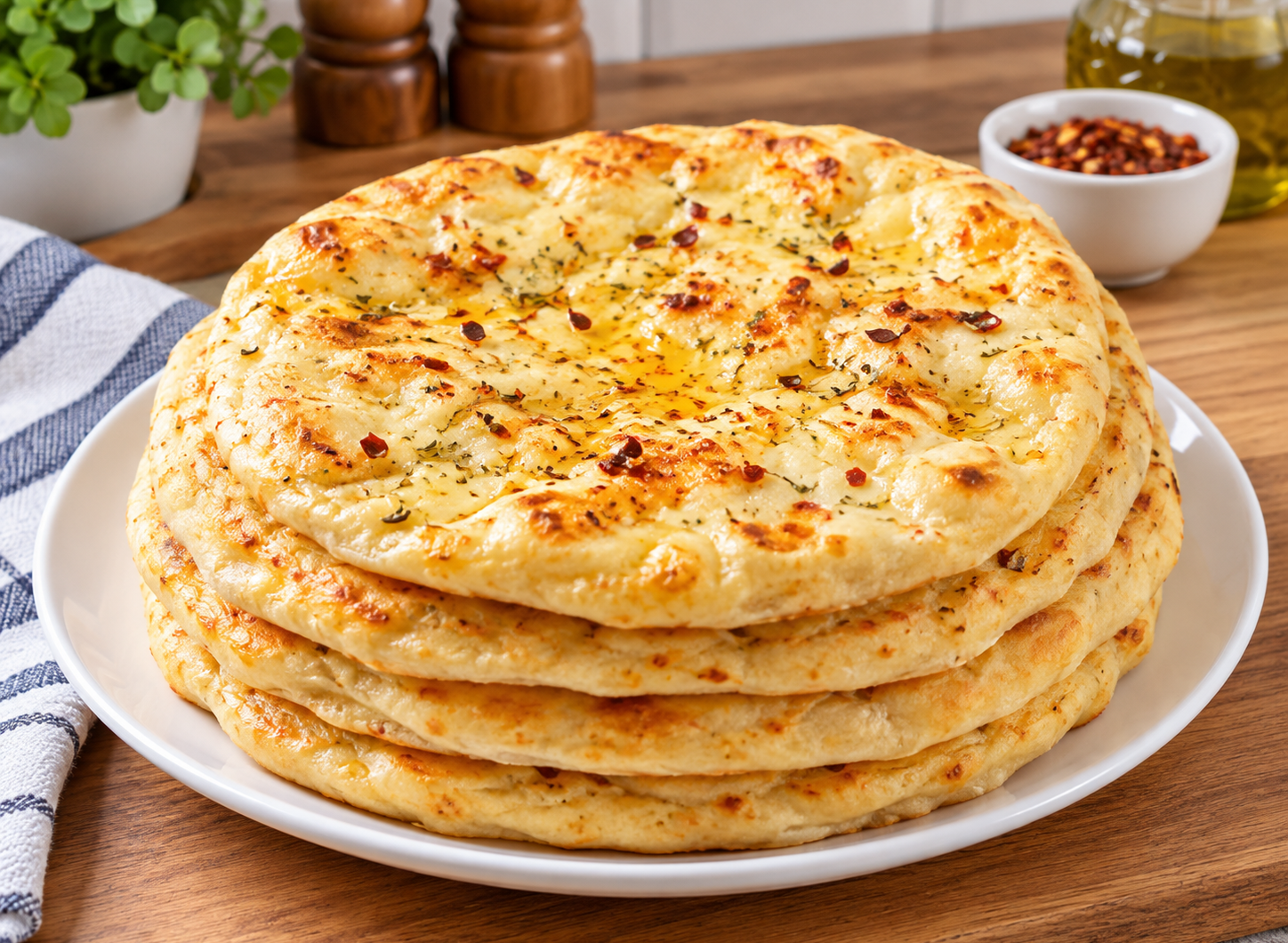
Air Fryer Turkish Bread
This delicious flatbread is made in the air fryer for a quick and easy recipe you can make in no time! Use this flatbread as a base for your favorite pizza toppings, for sandwich bread, or as a side dish for soup!
8
servings5
minutes8
minutes13
minutesIngredients
2 cups self-rising flour (see note to make self-rising flour)
1 cup plain yogurt (low-fat or full-fat yogurt is fine)
1 teaspoon olive oil (plus 1 tablespoon for brushing, optional)
Directions
- Add the self-rising flour, plain yogurt, and 1 teaspoon of olive oil to a large bowl.
- Work the ingredients together with your hands until a dough forms. This should take approximately 2–3 minutes.
- Transfer the dough to a floured surface and divide it into 8 equal pieces.
- Roll each portion into a ball.
- Using a rolling pin, roll each ball on the floured surface until it is approximately 4 inches across.
- Brush a small amount of olive oil over both sides of each flatbread. This step is optional.
- Preheat the air fryer for 3 minutes at 300 degrees.
- Place the prepared flatbread into the air fryer basket.
- Air fry for 8 minutes, flipping the flatbread halfway through the cooking time.
- Continue the same process until all of the flatbreads are cooked.


