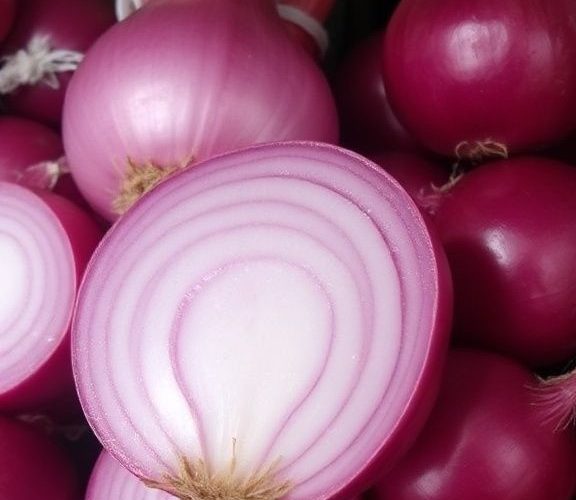
Onions are one of the most common vegetables used in kitchens around the world. They are simple, affordable, and easy to add to many different meals. From soups and stews to salads, sandwiches, omelets, and stir-fries, onions can add a strong flavor and pleasant aroma to almost any dish.
But onions are not only useful for making food taste better. They also contain vitamins, minerals, antioxidants, fiber, and natural plant compounds that may support overall health. For many years, onions have also been used in traditional remedies, and modern research continues to study how their natural compounds may affect different parts of the body.
It is important to understand that onions are not a cure for diseases. Their health benefits should be viewed as part of a healthy and balanced diet rather than as a replacement for medical treatment. Eating onions regularly along with vegetables, fruits, whole grains, lean proteins, and other nutritious foods can help create a varied eating pattern that supports long-term wellness.
Let’s take a closer look at what science says about onions and their possible health benefits.
1. Onions Are Full of Useful Nutrients
One of the best things about onions is that they are relatively low in calories while still providing several important nutrients.
A medium onion can provide vitamin C, vitamin B6, folate, and potassium, along with smaller amounts of calcium and magnesium. Onions also contain dietary fiber, which is important for healthy digestion.
Vitamin C is an antioxidant that helps protect cells from oxidative damage. It also plays an important role in normal immune function. Vitamin B6 supports several processes in the body, while folate is important for normal cell growth and function. Potassium is an essential mineral that supports normal muscle and nerve function.
Onions also contain natural plant compounds that make them especially interesting from a nutrition perspective. Among these are flavonoids such as quercetin and sulfur-containing compounds.
The exact nutritional content can vary depending on the size and type of onion. Red, yellow, and white onions all provide nutrients, although their amounts of certain plant compounds can differ.
2. May Support a Healthy Immune System
A healthy immune system needs a wide variety of nutrients to function properly. Onions can contribute some of these nutrients, especially vitamin C and antioxidant compounds.
Vitamin C has an important role in the normal function of immune cells. Antioxidants can also help protect cells from damage caused by free radicals.
However, eating onions does not guarantee that a person will avoid colds, flu, or other illnesses. No single vegetable can provide complete protection from disease.
Instead, onions can be included as one part of a nutrient-rich eating pattern. A diet containing a variety of vegetables, fruits, whole grains, legumes, nuts, seeds, and protein foods provides a much broader range of nutrients than relying on one food alone.
3. Onions Provide Powerful Antioxidants
Antioxidants are compounds that help protect the body’s cells from oxidative stress. Free radicals are naturally produced in the body, but excessive oxidative stress can damage cells and is associated with aging and several chronic health conditions.
Onions contain several antioxidant compounds, including quercetin and other flavonoids. These natural compounds are one reason onions receive so much attention in nutrition research.
Red onions are especially notable because they contain anthocyanins, which are natural pigments responsible for their red or purple color. Anthocyanins are also antioxidant compounds.
The combination of quercetin, anthocyanins, and sulfur-containing compounds makes onions a useful addition to a diet that includes many antioxidant-rich foods.
Rather than looking for one food to provide all antioxidant protection, it is better to eat a wide range of colorful vegetables and fruits. Onions can easily be part of that variety.
4. May Help Support Heart Health
Heart health is influenced by many factors, including diet, physical activity, blood pressure, cholesterol levels, smoking, body weight, sleep, and other lifestyle factors.
Onions contain compounds that may support cardiovascular health. Research has investigated the possible effects of onion antioxidants and other plant compounds on inflammation, oxidative stress, blood vessels, and cholesterol.
Some studies suggest that compounds in onions may help support healthy blood vessel function and normal circulation. Their antioxidant properties may also help protect cells from oxidative stress.
The sulfur-containing compounds naturally found in onions may contribute to some of these potential effects.
However, eating onions alone cannot prevent heart disease. The strongest approach is to include onions as part of an overall heart-friendly eating pattern that contains plenty of vegetables, fruits, whole grains, legumes, nuts, seeds, and other nutritious foods.
5. May Help Maintain Healthy Blood Pressure
High blood pressure is a common health concern, and maintaining healthy blood pressure is important for cardiovascular health.
Some research has examined quercetin, a flavonoid found in onions, for its possible role in supporting healthy blood pressure. The results suggest that foods containing quercetin may have beneficial effects in certain situations.
However, the effects of one food are not enough to replace a healthy lifestyle or prescribed treatment.
If a person has high blood pressure, onions can be included in a balanced eating plan, but they should not be used instead of medication or professional medical advice.
Reducing excessive salt intake, eating more vegetables and fruits, staying physically active, maintaining a healthy weight, and following medical advice can all be important parts of blood pressure management.
6. May Support Healthy Blood Sugar Levels
Another area of interest is the possible relationship between onions and blood sugar control.
Some studies suggest that compounds found in onions may influence insulin sensitivity and glucose metabolism. This means onions may have a useful role as part of a balanced eating pattern for people who are trying to maintain healthy blood glucose levels.
However, onions are not a treatment for diabetes or prediabetes.
People with diabetes should continue following the eating plan and medical advice recommended by their healthcare professionals. Medication should never be stopped or replaced with onions or any other food without professional guidance.
Because onions are commonly eaten with other foods, the overall meal also matters. Pairing vegetables with nutritious sources of protein, fiber, and whole grains can help create a more balanced meal.
7. Supports Digestive Health
Onions contain prebiotic fibers, including inulin and fructooligosaccharides. These types of fibers can serve as food for beneficial bacteria in the digestive system.
The gut contains a large community of microorganisms, often called the gut microbiome. A healthy and diverse gut microbiome is associated with several aspects of health, including digestion and normal immune function.
Eating foods containing prebiotic fiber may help support beneficial gut bacteria.
Onions can therefore be one useful source of prebiotic fiber in the diet. Other foods, including garlic, leeks, asparagus, legumes, whole grains, and some fruits and vegetables, can also provide different types of fiber.
For some people, however, onions can cause digestive symptoms. Those with sensitive digestion or irritable bowel syndrome may experience gas, bloating, or discomfort after eating onions, especially in larger amounts.
8. Natural Anti-Inflammatory Properties
Inflammation is a normal process that helps the body respond to injury and other challenges. However, long-term inflammation has been associated with a number of chronic health conditions.
Onions contain flavonoids and sulfur-containing compounds that researchers have studied for their potential anti-inflammatory effects.
Quercetin and other plant compounds may influence certain processes involved in inflammation and oxidative stress.
This does not mean that onions can treat inflammatory diseases. More research is still needed to understand the exact effects of onion consumption in humans.
Still, including onions in a diet rich in vegetables, fruits, whole grains, and other nutrient-dense foods can contribute to an overall healthy eating pattern.
9. May Have Antibacterial Effects
Some laboratory research has found that compounds in onions may interfere with the growth of certain bacteria.
These findings are interesting because they show that onions contain natural compounds with biological activity. However, laboratory results do not mean that eating onions can treat a bacterial infection in a person.
If someone has a suspected infection, proper medical evaluation and treatment are important. Onions should not be used as a substitute for antibiotics or other treatments prescribed by a healthcare professional.
Their possible antibacterial properties are best understood as an area of scientific research rather than as a medical treatment.
10. Can Onions Help With Coughs and Colds?
Onions have been used in traditional home remedies for coughs and cold symptoms for generations.
Because onions contain antioxidants and other natural compounds, they are sometimes believed to help with respiratory illnesses. However, scientific evidence supporting onions as a treatment for coughs, colds, or influenza is limited.
Eating onions as part of a healthy diet is perfectly reasonable, but they should not be considered a proven cure for respiratory infections.
When someone has a cold, getting enough rest, drinking adequate fluids, and using appropriate symptom relief can be helpful. If symptoms are severe, persistent, or concerning, medical advice should be sought.
11. Do Onions Detoxify the Body?
The word “detox” is often used in health discussions, but the idea is frequently misunderstood.
The human body already has natural systems for removing and processing waste. The liver and kidneys play major roles in these processes.
Onions do provide antioxidants, nutrients, and plant compounds that support normal nutrition. They may contribute to a healthy diet that supports normal body functions.
However, onions do not carry out a special detoxification process or remove toxins from the body in the way some commercial detox products claim.
There is generally no need for a special onion detox diet. A balanced diet, adequate hydration, regular physical activity, good sleep, and appropriate medical care are more meaningful parts of maintaining overall health.
12. May Support Bone Health
Bone health becomes increasingly important as people get older. Some research has found an association between regular onion consumption and better bone density, particularly in older adults.
Scientists have investigated whether the antioxidants and sulfur-containing compounds in onions may help protect against processes involved in bone loss.
Oxidative stress and inflammation can affect many systems in the body, and researchers continue to study how onion compounds may influence these processes.
Although the findings are promising, more research is needed before strong conclusions can be made.
For healthy bones, onions should be considered one small part of a larger healthy lifestyle. Adequate calcium, vitamin D, protein, physical activity, and other nutrients are also important.
13. Healthy Ways to Eat Onions
One advantage of onions is that they can be used in many different meals.
You can enjoy onions:
- Raw in salads
- Lightly sautéed with other vegetables
- Roasted with vegetables
- Added to soups
- Cooked into stews
- Mixed into sandwiches
- Added to wraps
- Included in omelets
- Stir-fried with vegetables and protein foods
- Used as a flavor base for many dishes
Raw and cooked onions both provide useful nutrients and plant compounds.
Cooking can slightly reduce certain heat-sensitive nutrients, including some vitamin C. At the same time, cooking can change the structure of other compounds and may make some components easier for the body to access.
There is no need to eat onions only one way. Using both raw and cooked onions can add variety to your meals.
14. Choosing Different Types of Onions
There are many varieties of onions, and each has a slightly different taste and appearance.
Yellow onions are commonly used for cooking and have a balanced flavor. White onions tend to have a sharper taste and can be useful in salads, sauces, and cooked dishes. Red onions have a colorful appearance and contain anthocyanins, the pigments responsible for their red-purple color.
The best onion is simply one that you enjoy and can comfortably include in your meals.
Adding a small amount of onion to several meals throughout the week can be an easy way to increase your intake of vegetables and plant compounds without making major changes to your diet.
15. Possible Side Effects of Eating Onions
Most people can eat onions without serious problems. However, some individuals may experience digestive symptoms.
Possible side effects include:
- Gas
- Bloating
- Heartburn
- Digestive discomfort
- Irritation or symptoms in people with irritable bowel syndrome
The amount of onion consumed can also affect how someone feels. A person who is sensitive to onions may tolerate a small amount but experience discomfort after eating a large serving.
People with specific digestive conditions may benefit from discussing their diet with a qualified healthcare professional or dietitian.
Individuals taking blood-thinning medicines should also speak with their healthcare provider before making major changes to their diet.
16. How to Include More Onions in Everyday Meals
Adding onions to your diet does not have to be complicated.
You can start by chopping a small amount of onion into a fresh salad. You can also add sliced onions to sandwiches or wraps, mix chopped onions into an omelet, or cook them with vegetables for a simple side dish.
For soups and stews, onions can provide both flavor and nutrients. Roasted onions can also be served alongside other vegetables.
Because onions are inexpensive and widely available, they can be a practical way to add more plant foods to everyday meals.
The goal is not to eat extremely large quantities. Instead, enjoy onions in reasonable amounts as part of a varied diet.


