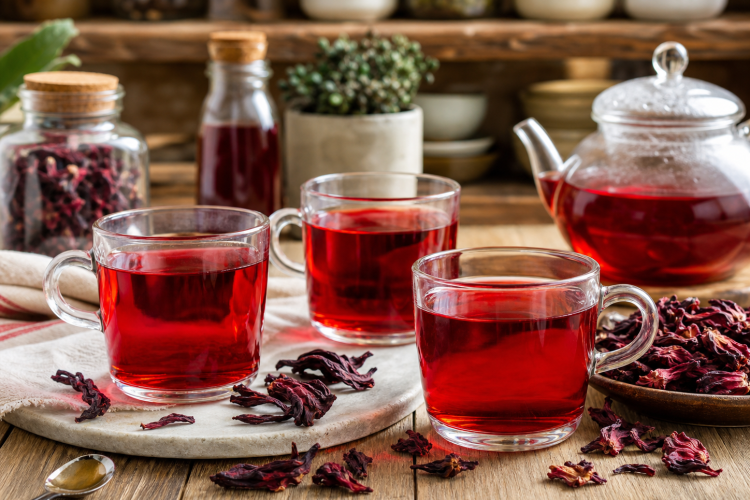
Hibiscus tea is a bright, refreshing herbal drink made by steeping dried hibiscus flowers in hot water. It has a naturally deep red color and a pleasant tart taste that can remind you of cranberry juice. You can serve it warm when you want a comforting drink or chill it for a refreshing iced tea.
What Is Hibiscus Tea?
Hibiscus tea is made from dried hibiscus flowers rather than traditional tea leaves. Because of this, it is naturally caffeine-free and can be enjoyed at different times of the day. The flavor is slightly sour and fruity, while the color becomes a beautiful ruby red as the flowers release their natural color into the water.
Why Make Hibiscus Tea at Home?
Making hibiscus tea at home is quick and requires only two ingredients from the original recipe: dried hibiscus flowers and boiling water. There is no complicated cooking process, and you can control how strong you want the tea to taste. It is also easy to prepare a larger batch when you want a cold drink ready in the refrigerator.
Is Hibiscus Tea Good?
Hibiscus tea is a popular herbal drink because it has a light, fruity flavor without the bitterness that some traditional teas can have. It can be served without sweetener if you enjoy a tart taste, or you can add a sweetener when you prefer something milder. Its caffeine-free nature also makes it suitable for people looking for a drink without caffeine.
The Taste of Hibiscus Tea
The flavor of hibiscus tea is naturally tart, fruity, and slightly sour. Some people compare it to cranberry juice because both have a noticeable sharpness. The strength depends on how many flowers are used and how long they are steeped. A shorter steep gives a lighter flavor, while a longer steep produces a deeper taste.
Why It Is Called Agua de Jamaica
Agua de Jamaica is the Spanish name commonly used for hibiscus tea in Mexico and several other Latin American countries. The name refers to the hibiscus flower used to make the drink, which is known as “flor de jamaica.” Although the name may sound unfamiliar at first, Agua de Jamaica is simply a traditional hibiscus drink with a long history in Latin American food and drink culture.
Hibiscus Tea and Agua de Jamaica
The terms hibiscus tea and Agua de Jamaica are often used for drinks made from dried hibiscus flowers. The preparation can vary depending on the region and personal preference. Some versions are served strongly chilled with sweetener, while a simple herbal tea can be served hot or without added sugar.
A Caffeine-Free Herbal Drink
One of the useful features of this hibiscus tea recipe is that it does not depend on tea leaves for its flavor. Dried hibiscus flowers are infused in hot water to create the drink. This makes it different from black tea, green tea, and other traditional caffeinated beverages. You can enjoy it in the morning, afternoon, or evening.
Choosing Dried Hibiscus Flowers
Good-quality dried hibiscus flowers should have a strong deep-red color and a fresh, clean appearance. Dried hibiscus can often be found in health food stores, Latin markets, specialty food shops, and online. If you buy dried flowers, keep them stored in a dry place and away from moisture so they remain suitable for making tea.
How the Hibiscus Flowers Are Prepared
The dried flowers can be gently crushed before steeping. This helps release their flavor without needing to grind them into a fine powder. The original method uses a mortar and pestle for this step. A gentle crushing motion is enough because the goal is simply to open the dried flowers and help the hot water reach them.
Using an Infuser
A glass pitcher with an infuser makes this recipe especially easy to prepare. The dried flowers can stay inside the infuser while the hot water passes through them. Once the tea reaches the desired strength, the infuser can be removed without needing to strain the entire drink separately.
Using a Fine Mesh Strainer
If you do not have an infuser, a fine mesh strainer is a simple alternative. The hibiscus flowers can be steeped in the hot water and then removed by straining the liquid. This method works well when preparing a single serving or a larger batch for chilling.
How Much Water to Use
The recipe uses 4 cups of boiling water with 2 tablespoons of dried hibiscus flowers. This combination creates a flavorful tea without requiring a long cooking process. Keeping the original measurements is important because changing the amount of flowers or water will change the strength and taste of the finished drink.
Preparing the Water
The water should be brought to a boil before the hibiscus flowers are added. Once the water reaches a boil, remove it from the heat. The dried flowers should then be steeped in the hot water rather than cooked directly in actively boiling water. This gives you better control over the infusion.
Why the Water Should Be Removed From Heat
Adding dried hibiscus directly to vigorously boiling water can lead to a stronger extraction than you may want. For this recipe, the water is boiled first and then used for steeping. This gentle approach helps create a balanced drink while allowing the flowers to release their color and flavor naturally.
Steeping the Hibiscus
The steeping process is where most of the flavor and color develop. Place the prepared hibiscus flowers into the infuser and add the hot water. Allow the flowers to sit for about 10 minutes, giving the water enough time to become deeply colored and pleasantly tart.
Watching the Color
Hibiscus flowers release their deep red color fairly quickly when they come into contact with hot water. As the tea steeps, you will notice the liquid becoming darker. The color is a useful visual guide, but taste is also important. If you prefer a lighter drink, you can stop the infusion sooner.
Making a Stronger Tea
For a stronger hibiscus flavor, the flowers can be left to steep a little longer. The longer infusion creates a deeper color and more noticeable tartness. However, you do not need to make the tea very strong to enjoy it. A moderate steeping time gives a refreshing flavor that works well both hot and cold.
Making a Milder Tea
If you prefer a softer taste, reduce the steeping time rather than changing the ingredient amounts. A shorter infusion produces a lighter flavor while still giving the drink its characteristic red color. This is useful if you find the natural tartness of hibiscus a little too strong.
Serving Hibiscus Tea Hot
Hibiscus tea can be served warm soon after the flowers have been removed. A hot cup works well when you want a simple herbal drink without preparing a complicated beverage. You can enjoy it as prepared or add lemon or lime juice according to your taste.
Making Iced Hibiscus Tea
For a cold version, allow the prepared tea to cool and then chill it. Pour the cooled drink over ice when ready to serve. Iced hibiscus tea has a bright, refreshing flavor and can be a simple homemade alternative to sweet sodas and other packaged drinks.
Adding Lemon or Lime
A squeeze of lemon or lime can add extra freshness to hibiscus tea. Both citrus fruits work well with the natural tartness of the flowers. Because hibiscus already has a sour flavor, only a small amount of citrus may be needed. Add it after the flowers have been removed so you can adjust the flavor to your preference.
Sweetening the Tea
Hibiscus tea does not require sweetener, but some people prefer to soften its tart taste. The original recipe suggests options such as simple syrup, stevia powder, agave nectar, or homemade sweeteners. Add sweetener according to your taste rather than making the drink overly sweet.
Keeping the Recipe Simple
The basic recipe is intentionally simple. Dried hibiscus flowers and boiling water are enough to create the drink. Optional additions such as citrus juice, mint, cinnamon, or a sweetener can change the flavor, but they are not required for the basic preparation.
Adding Fresh Mint
Fresh mint can be used when you want a cooler, more refreshing flavor. It pairs naturally with chilled herbal drinks and can be added after the hibiscus infusion is prepared. Since mint is an optional addition, you can leave it out when you want to keep the flavor focused on the hibiscus.
Adding Cinnamon
A cinnamon stick can also be used to add a warm spice flavor. This is particularly suitable for a hot version of the drink. Cinnamon is not part of the original ingredient list, so it should be treated only as an optional flavor addition rather than a required part of the recipe.
Can the Flowers Be Reused?
The used hibiscus flowers do not necessarily have to be thrown away immediately. The original recipe suggests drying them and using them again for another batch of tea. You can also consider adding the used flowers to smoothies. The flavor may be lighter after the first infusion, so the second use can produce a milder drink.
Adjusting the Strength
The easiest way to adjust hibiscus tea is by changing the steeping time while keeping the original ingredient measurements. If the tea tastes too mild, allow the flowers to steep longer. If the flavor is too sharp, remove the flowers sooner. This gives you control over the finished drink without changing the basic recipe.
Preparing a Larger Batch
This recipe makes 6 portions, so it can be useful when you want several servings available at once. After steeping, remove the hibiscus flowers and allow the tea to cool if you plan to serve it cold. Store the prepared drink properly and chill it before serving over ice.
Serving for Breakfast
Hibiscus tea can be served alongside breakfast because it is light and does not require a heavy preparation. It works well with both sweet and savory breakfast foods. Since the recipe is naturally caffeine-free, it can also be served to people who prefer to avoid caffeinated drinks in the morning.
A Drink for Different Times of Day
There is no need to limit hibiscus tea to one particular meal. It can be served in the afternoon as a chilled drink or enjoyed warm later in the day. The choice depends on how you prefer your tea and whether you want a refreshing cold drink or a warm herbal beverage.
Keeping the Tea Unsweetened
Unsweetened hibiscus tea has a clear tart flavor and is a simple choice when you do not want added sweetness. The deep red color and fruity taste make it interesting even without sugar. If the natural flavor feels too sharp, a small amount of your preferred sweetener can be added after steeping.
Why This Recipe Works
This recipe works because it uses a straightforward infusion method that allows the dried hibiscus flowers to release their color and flavor into hot water. There is no need for complicated cooking equipment or a long preparation process. With the flowers gently prepared and steeped for the right amount of time, you can make a flavorful herbal drink in minutes.
A Flexible Homemade Drink
One of the easiest things about hibiscus tea is how simple it is to adjust after brewing. You can serve it warm, chill it for iced tea, leave it unsweetened, or add citrus or a sweetener. The basic preparation stays the same, making it easy to create the version you enjoy most.
Hibiscus Tea Recipe
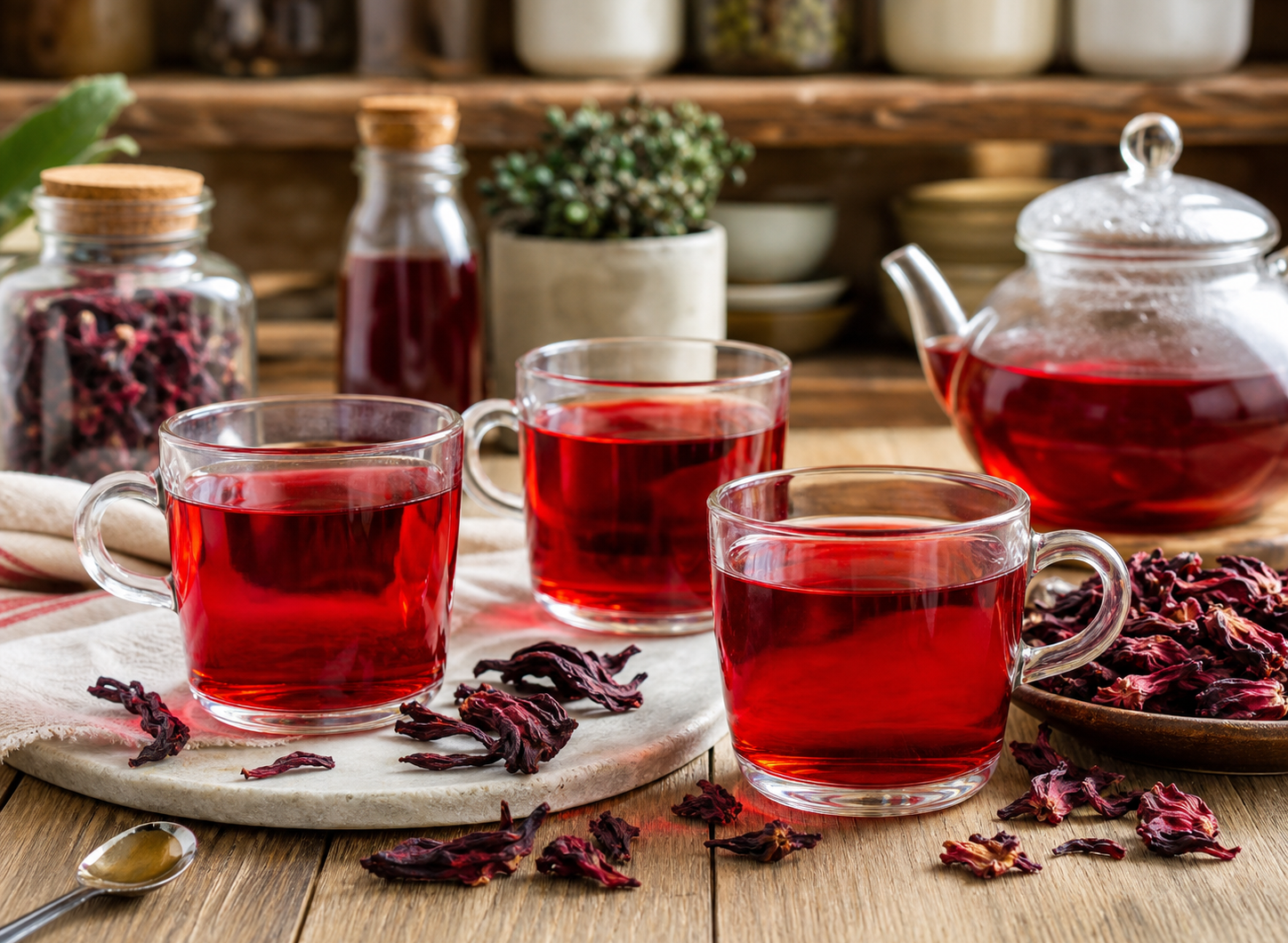
A simple hibiscus tea made with dried hibiscus flowers and boiling water. This naturally caffeine-free herbal drink has a bright red color and a tart, fruity flavor. Serve it warm or chill it for refreshing iced hibiscus tea.
6
servings5
minutes15
minutes1
kcal20
minutesIngredients
2 Tablespoons Hibiscus Flowers Dried
4 Cups Water Boiling
Directions
- Prepare the dried hibiscus flowers and bring the required water to a boil. Remove the water from the heat before adding the flowers. Gently crush the dried hibiscus with a mortar and pestle without grinding it too much.
- Place the prepared hibiscus flowers into the infuser of a glass pitcher. If you do not have an infuser, use a suitable container and plan to strain the tea later with a fine mesh strainer. Pour the hot water over the hibiscus flowers, allowing the water to cover them well. Let the flowers steep for about 10 minutes so the water can take on their deep color and flavor.
- Remove the hibiscus flowers from the pitcher after steeping. If you used loose flowers without an infuser, pour the tea through a fine mesh strainer to remove the flower pieces.
- Serve the hibiscus tea warm, or allow it to cool and chill it for an iced version. Add lemon or lime juice if desired, according to your preferred taste.
- For a sweeter drink, add your preferred sweetener such as simple syrup, stevia powder, agave nectar, or another homemade sweetener.
Nutrition Facts
- Calories: 1kcal
- Sodium: 8mg
- Potassium: 1mg
- Carbohydrates: 0.1g
- Vitamin A: 15mcg
- Calcium: 5mg
- Iron: 0.003mg


