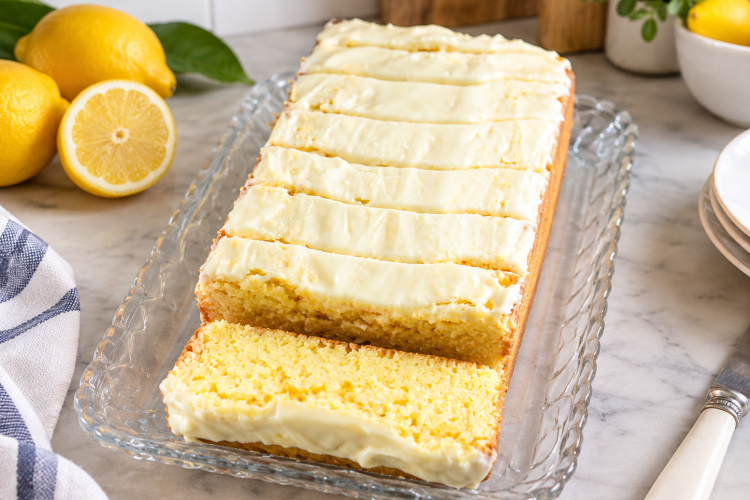
This keto lemon loaf cake is a delicious choice for anyone who enjoys homemade desserts with a bright citrus flavor. Made with almond flour, coconut flour, fresh lemon juice, and a monk fruit sweetener blend, this gluten-free lemon cake offers a soft crumb and refreshing taste without traditional white sugar or wheat flour. A simple lemon glaze adds a sweet, tangy finish, making each slice feel like a special treat for breakfast, an afternoon snack, or dessert after dinner.
Unlike many traditional loaf cakes, this sugar-free lemon loaf uses ingredients commonly found in low-carb baking. Almond flour provides a tender texture, while coconut flour helps absorb moisture and gives the batter structure. Eggs and Greek yogurt contribute richness and softness, and melted refined coconut oil helps keep the cake moist. Together, these ingredients create a satisfying homemade dessert without the need for complicated preparation or special baking equipment.
The recipe is particularly useful for people who enjoy lemon desserts but want an alternative to conventional cakes made with all-purpose flour and granulated sugar. It is designed to be keto-friendly, gluten-free, and lower in carbohydrates than many traditional lemon loaves. However, individual nutritional needs differ, so anyone following a medically prescribed diet should check ingredient labels and serving sizes before including this cake in their meal plan.
What Makes This Keto Lemon Loaf Special?
Bright Lemon Flavor in Every Slice
Lemon is the main attraction in this loaf cake. Fresh lemon juice provides a pleasant tang, while lemon zest contributes a stronger citrus aroma that gives the finished cake a fresh, lively flavor. Using both ingredients creates a more balanced taste than relying on lemon juice alone. The powdered erythritol glaze adds sweetness while allowing the natural lemon flavor to remain noticeable, making this dessert suitable for people who prefer a sweet treat that is not overly heavy.
A Sugar-Free Alternative to Traditional Cake
Traditional lemon loaf cakes usually contain substantial amounts of sugar, which contributes sweetness, moisture, browning, and structure. This recipe uses a monk fruit sweetener and erythritol blend instead, providing sweetness without ordinary table sugar. The glaze also uses powdered erythritol to create a smooth topping. Sweeteners can behave differently from sugar during baking, so the finished texture and browning may not be identical to those of a conventional bakery-style lemon loaf.
Although the recipe is sugar-free in the sense that it contains no added table sugar, the nutritional information lists a small amount of sugar per serving. This may come from ingredients such as Greek yogurt or other naturally occurring sources. Check the labels of your particular sweetener and dairy products, since formulations can differ between brands.
Gluten-Free Baking Without Wheat Flour
Almond flour and coconut flour replace conventional wheat flour in this gluten-free lemon cake recipe. Almond flour contributes a soft, tender crumb and a mild nutty flavor that works well with citrus. Coconut flour absorbs considerable moisture, so the recipe uses a smaller quantity alongside almond flour. These two flours have different properties from wheat flour, which means accurate measurements and the correct ingredient proportions are important for achieving a cake that holds together well.
The combination is especially useful for home bakers who want to explore low-carb baking without relying on complicated flour blends. Neither flour develops the gluten structure found in wheat-based cakes, so the eggs and the balance of wet and dry ingredients help provide stability. For a gluten-free result, choose products that meet your dietary requirements and check their packaging for relevant cross-contact information.
Ingredients That Help Create a Moist Lemon Loaf
Eggs and Greek Yogurt
Three large eggs form an important part of the cake batter, helping bind the ingredients and giving the loaf structure as it bakes. Greek yogurt contributes moisture and a mild tang that complements the lemon juice. It also helps balance the richness of the coconut oil. Whisking the eggs, yogurt, lemon juice, and oil together before adding the dry ingredients creates a more even mixture and helps the batter come together without unnecessary effort.
Almond Flour and Coconut Flour
The flour combination is one of the most important features of this keto lemon loaf. Almond flour supplies much of the cake’s body, while coconut flour absorbs moisture and supports the final structure. Measuring both flours carefully helps prevent a batter that is too dry or too wet. Avoid substituting one flour for the other in equal quantities, because coconut flour absorbs much more liquid and can significantly change the texture.
Monk Fruit Sweetener and Erythritol
The cake uses a monk fruit sweetener and erythritol blend, while the glaze calls for powdered erythritol. The granulated blend sweetens the cake batter, and the powdered version helps create a smooth topping. Sweetness can vary between brands, so use the specified quantities of the sweetener blend rather than assuming every product measures exactly like ordinary sugar. If your sweetener contains additional ingredients, read the label to understand its composition and suitability for your diet.
Lemon Juice, Lemon Zest, and Coconut Oil
Lemon juice supplies acidity and citrus flavor, while lemon zest adds aromatic oils from the outer peel. Use the colored outer skin when zesting, avoiding the bitter white pith underneath. Refined coconut oil is melted before mixing and provides fat that contributes to the cake’s moist texture. Refined coconut oil generally has a milder coconut flavor than unrefined varieties, allowing the lemon to remain the dominant taste in the finished loaf.
Baking Soda and Salt
Baking soda helps the batter rise and contributes to the cake’s final texture. The acidity from the lemon juice and Greek yogurt helps it work within the mixture. Salt is included in a small quantity to balance the sweetness and bring out the other flavors. Although both ingredients are used in modest amounts, they contribute to a more balanced loaf, so they should not be omitted casually when preparing the recipe for the first time.
Expert Tips for Better Results
Measure the Flours Carefully
Almond flour and coconut flour are not interchangeable, and small changes in their quantities can affect the cake’s texture. For consistent results, measure the ingredients accurately and use finely ground almond flour rather than a coarse almond meal. If measuring by volume, spoon the flour into the measuring cup and level it instead of packing it down. Consistent measurements are particularly important when baking without gluten, which would otherwise provide some of the structure in a conventional loaf cake.
Use Fresh Lemon for a Stronger Citrus Taste
Fresh lemon juice and zest help create the characteristic flavor of a homemade lemon loaf. Before juicing the lemon, zest its outer yellow peel using a fine grater. Avoid scraping too deeply into the white pith, which can introduce bitterness. If you prefer a more pronounced lemon aroma, make sure the tablespoon of zest is measured accurately. Keep the stated ingredient quantities unchanged for the original recipe, especially if you are making the cake for the first time.
Let the Loaf Cool Completely Enough
It can be tempting to remove and slice the cake as soon as it comes out of the oven, but patience improves the result. Almond-flour cakes often need time to firm up as they cool. The specified minimum cooling time helps reduce breakage when lifting the loaf from the pan. For especially tidy slices, allow the loaf to cool further before glazing and cutting, while ensuring the cake is not so warm that it melts the topping.
Adjust the Glaze Gradually
A good lemon glaze should be smooth enough to spread but thick enough to remain on the cake. Begin with two tablespoons of lemon juice and whisk thoroughly before deciding whether more liquid is needed. Add the remaining juice a little at a time until the consistency suits your preference. If you pour in all the liquid immediately, the glaze may become too runny. Powdered erythritol can also vary in texture, so whisking well helps reduce lumps.
Serving Ideas for Lemon Loaf Cake
This keto lemon loaf makes a pleasant addition to an afternoon snack, a weekend brunch, or a simple dessert after a meal. Serve a slice with black coffee, unsweetened tea, or another drink that complements the citrus flavor. For a refreshing presentation, pair it with a few fresh berries if they fit your dietary preferences and daily carbohydrate goals. Keep in mind that additional toppings will change the overall nutritional values of the serving.
The loaf can also be served as part of a dessert platter alongside other low-carb treats. Its bright lemon flavor provides a contrast to richer chocolate or nut-based desserts. Because the glaze adds sweetness and a light citrus finish, the cake does not necessarily need additional frosting or decorations. Keeping the presentation simple allows the lemon aroma and soft crumb to remain the focus.
Storage and Make-Ahead Instructions
How to Store the Cake
After the cake has cooled and the glaze has set, store it in an airtight container in the refrigerator. Refrigeration is a practical choice because the recipe contains eggs and Greek yogurt. For the best texture and flavor, enjoy the loaf within approximately four to five days, checking that it remains fresh throughout storage. Keep slices covered so they do not dry out or absorb odors from other foods in the refrigerator.
Can You Freeze Keto Lemon Loaf?
Yes, this loaf can be frozen for later enjoyment. For easier serving, cut the cooled cake into individual slices and wrap them separately before placing them in a freezer-safe container or bag. Freezing slices separately allows you to remove only the amount you need. If possible, freeze the slices before glazing and add fresh glaze after thawing. Thaw the cake in the refrigerator or at a suitable room temperature, following safe food-handling practices.
Frequently Asked Questions
Is This Lemon Loaf Cake Keto-Friendly?
The recipe uses almond flour, coconut flour, and a monk fruit sweetener and erythritol blend instead of conventional wheat flour and sugar. These choices make it suitable for many low-carb eating plans when portions fit individual carbohydrate targets. However, keto requirements vary, and the precise carbohydrate count depends on ingredient brands and serving size. Review the nutrition information and calculate net carbohydrates from the actual products you use rather than relying on the word “keto” alone.
Is This Recipe Gluten-Free?
The listed ingredients do not include wheat flour or other conventional gluten-containing grains. Almond flour and coconut flour provide the base for the cake instead. For people who must avoid gluten strictly, check ingredient labels and choose products that meet their needs, including suitable sweeteners and any packaged ingredients. This is especially important when cross-contact during manufacturing or preparation could be a concern.
Can People With Diabetes Eat This Cake?
This recipe avoids added table sugar and uses alternative sweeteners, which may make it an option for some people who monitor their carbohydrate intake. Nevertheless, sugar-free does not automatically mean carbohydrate-free, and individual responses to foods can differ. Almond flour, coconut flour, and yogurt still contribute nutrients and carbohydrates. Anyone managing diabetes should consider portion size, the complete nutrition information, and advice from their healthcare professional.
Why Is My Lemon Loaf Crumbly?
A crumbly loaf can result from inaccurate flour measurements, insufficient cooling, or changes to the balance of wet and dry ingredients. Gluten-free cakes lack the elastic structure found in wheat-based baking, so their texture may be more delicate. Follow the ingredient quantities carefully, bake until the center is set, and allow the loaf to cool before lifting it from the pan. Using the correct pan size also helps the cake bake evenly.
How Can I Tell When the Cake Is Done?
The recipe specifies approximately 35 minutes of baking at 350°F. Look for a set top and a center that does not jiggle when the pan is moved gently. Since ovens and loaf pans can differ, the baking time should be treated as a guide rather than an absolute guarantee. Avoid removing the cake while the center still appears underbaked, but do not leave it in the oven unnecessarily once it is properly baked.
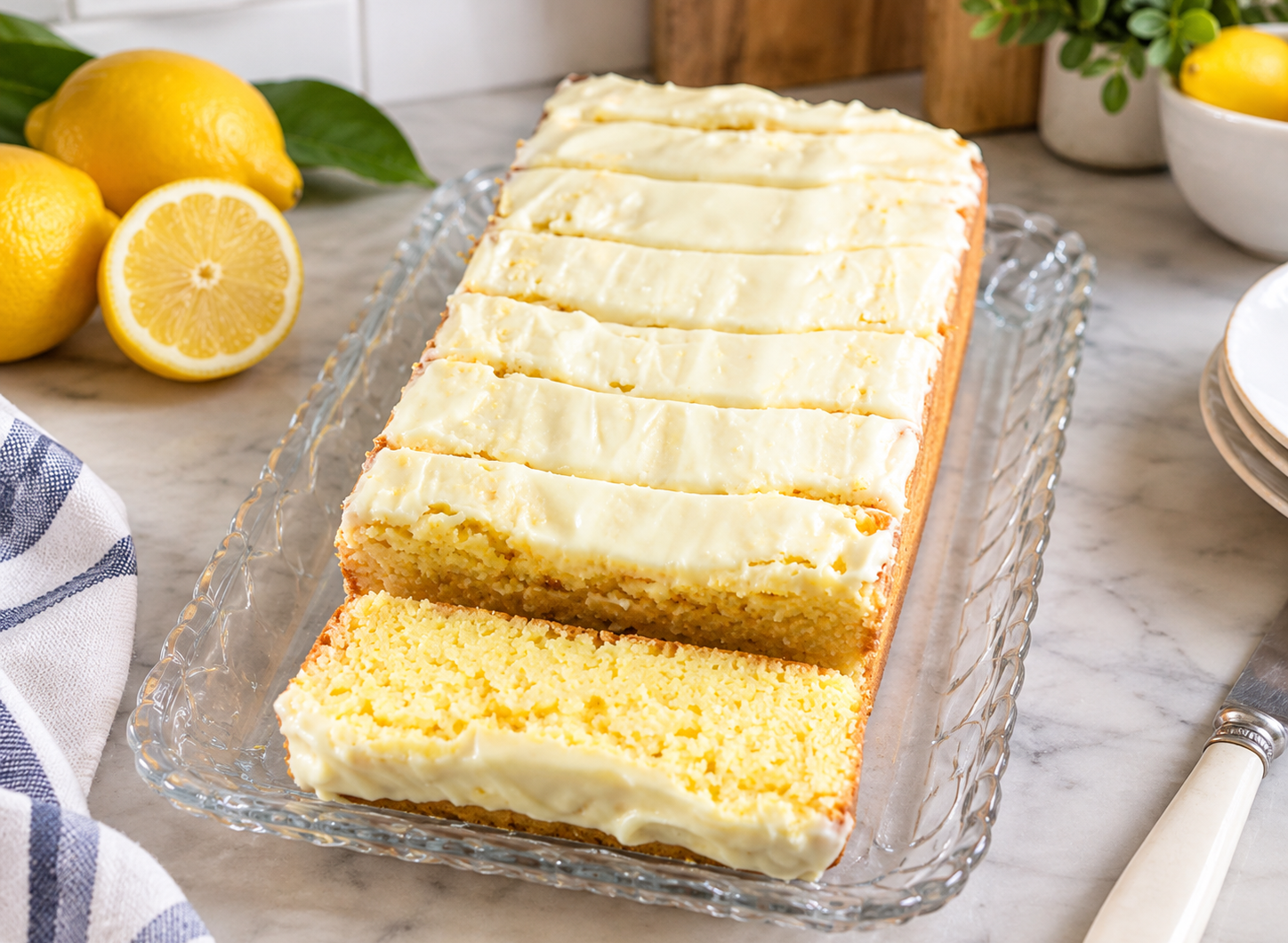
Lemon Loaf Cake (Keto, Gluten-Free, Sugar-Free)
A soft, lemon-flavored loaf cake made with almond flour, coconut flour, Greek yogurt, and a monk fruit sweetener blend, finished with a tangy sugar-free lemon glaze.
1
servings10
minutes35
minutes172
kcal45
minutesIngredients
- For the Cake
3 large eggs
1/4 cup Greek yogurt
1/4 cup lemon juice
1/4 cup refined coconut oil, melted
1 tablespoon lemon zest
1 cup almond flour
3/4 cup monk fruit sweetener/erythritol blend
1/4 cup coconut flour
1 teaspoon baking soda
1/2 teaspoon salt
- For the Sugar-Free Lemon Glaze
3/4 cup powdered erythritol
2–4 tablespoons lemon juice
Directions
- Set the oven to 350°F (177°C). Line a 9 × 5-inch loaf pan with parchment paper.
- In a large bowl, whisk the eggs, Greek yogurt, lemon juice, and melted coconut oil until smooth.
- Stir in the almond flour, monk fruit sweetener/erythritol blend, coconut flour, baking soda, and salt until evenly combined.
- Transfer the batter into the prepared pan and spread it evenly.
- Bake for approximately 35 minutes, or until the top is set and the center no longer jiggles.
- Place the pan on a wire rack and allow the cake to cool for at least 30 minutes before removing it.
- Whisk the powdered erythritol with 2 tablespoons of lemon juice. Add more lemon juice gradually, as needed, to reach your preferred consistency.
- Lift the cake out using the parchment paper. Spread the glaze over the top and sides, slice, and serve.


